PRACTICAL PRODUCTION & BUYING GUIDES

How to Process, Extract, Fill & Choose the Right Equipment

Step-by-step production methods, honest comparisons of every option on the market (including when to stay manual), temperature and viscosity charts, and every decision point you need before buying a machine.

Cart
Ultimate Guide: How to Make Live Rosin Vape Carts & Postless Pods (From Ice-Water Hash to Capped Pod)
ULTIMATE PRODUCTION & BUYING GUIDE 8 MIN READ · Vape Cartridge & Disposable Pod Filling & Capping

Ultimate Guide: How to Make Live Rosin Vape Carts & Postless Pods (From Ice-Water Hash to Capped Pod)

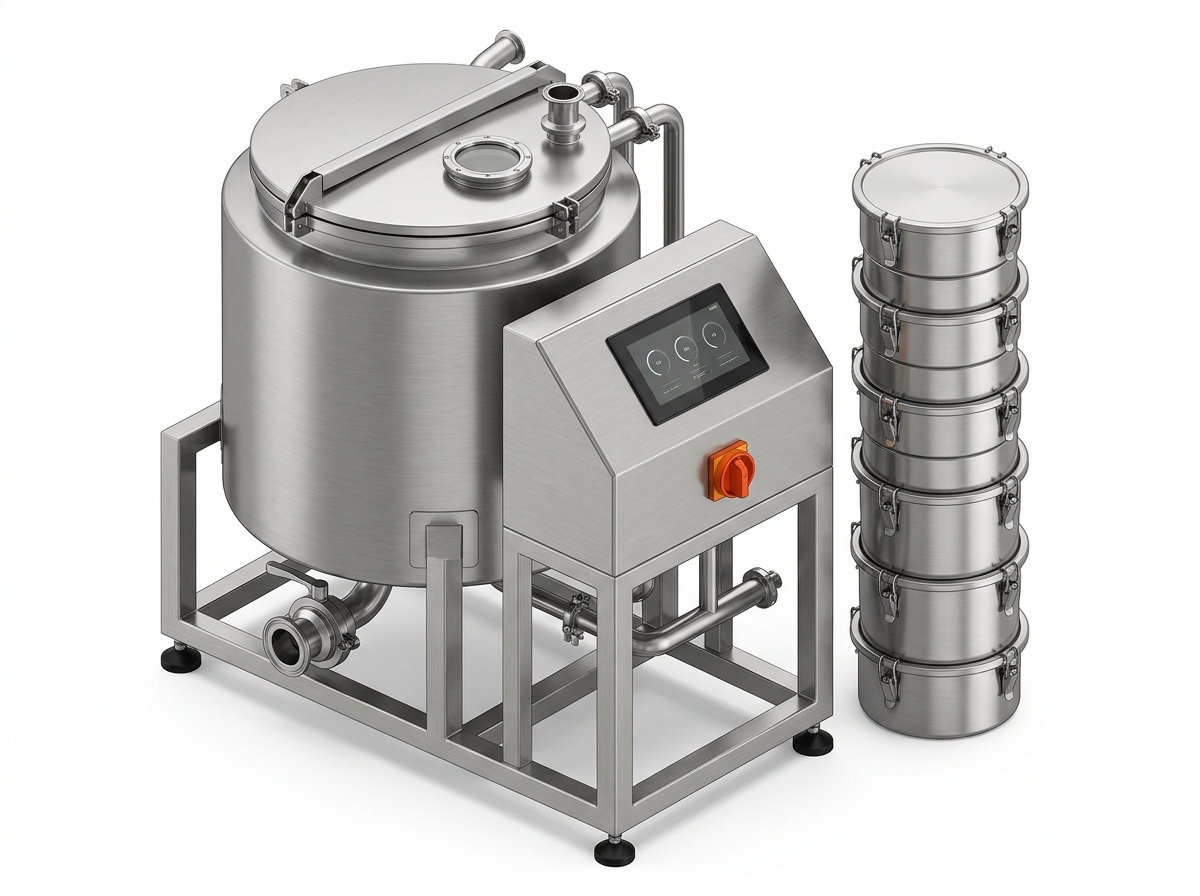
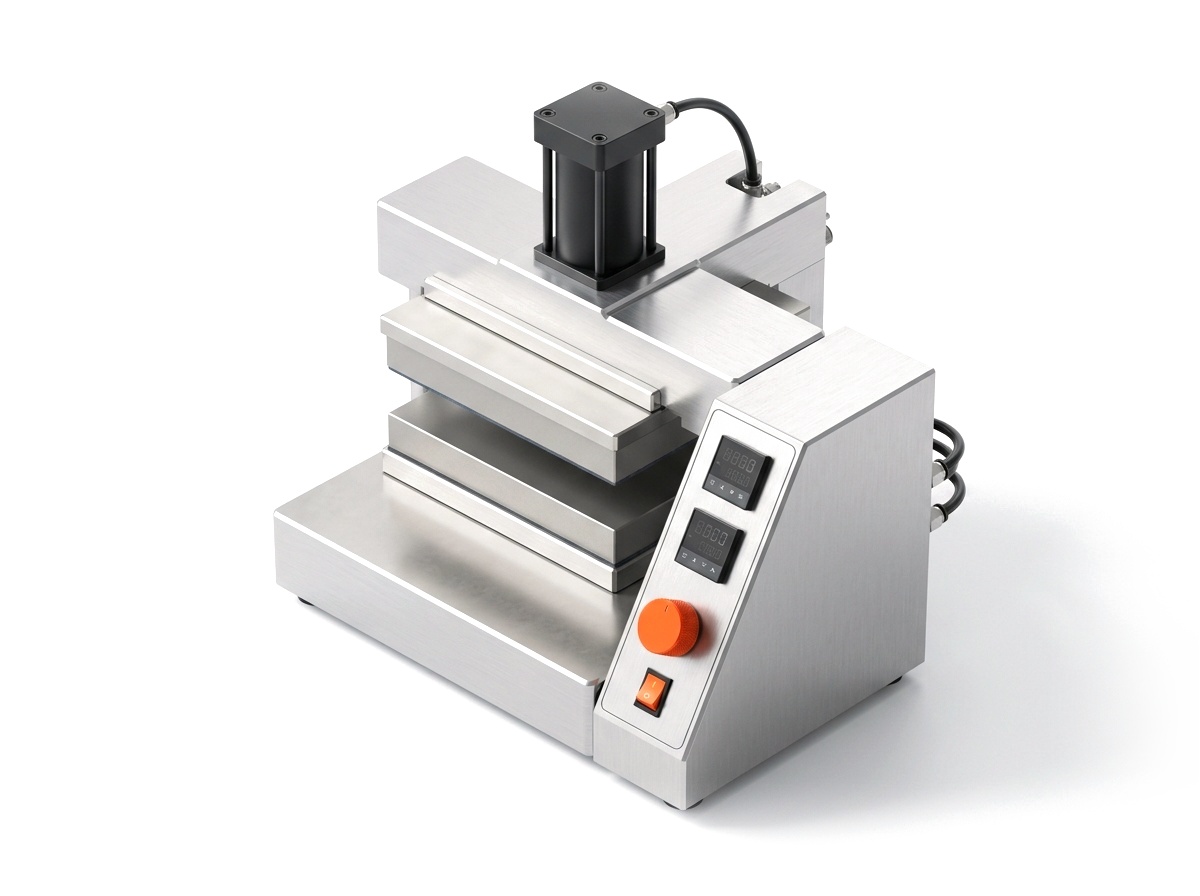
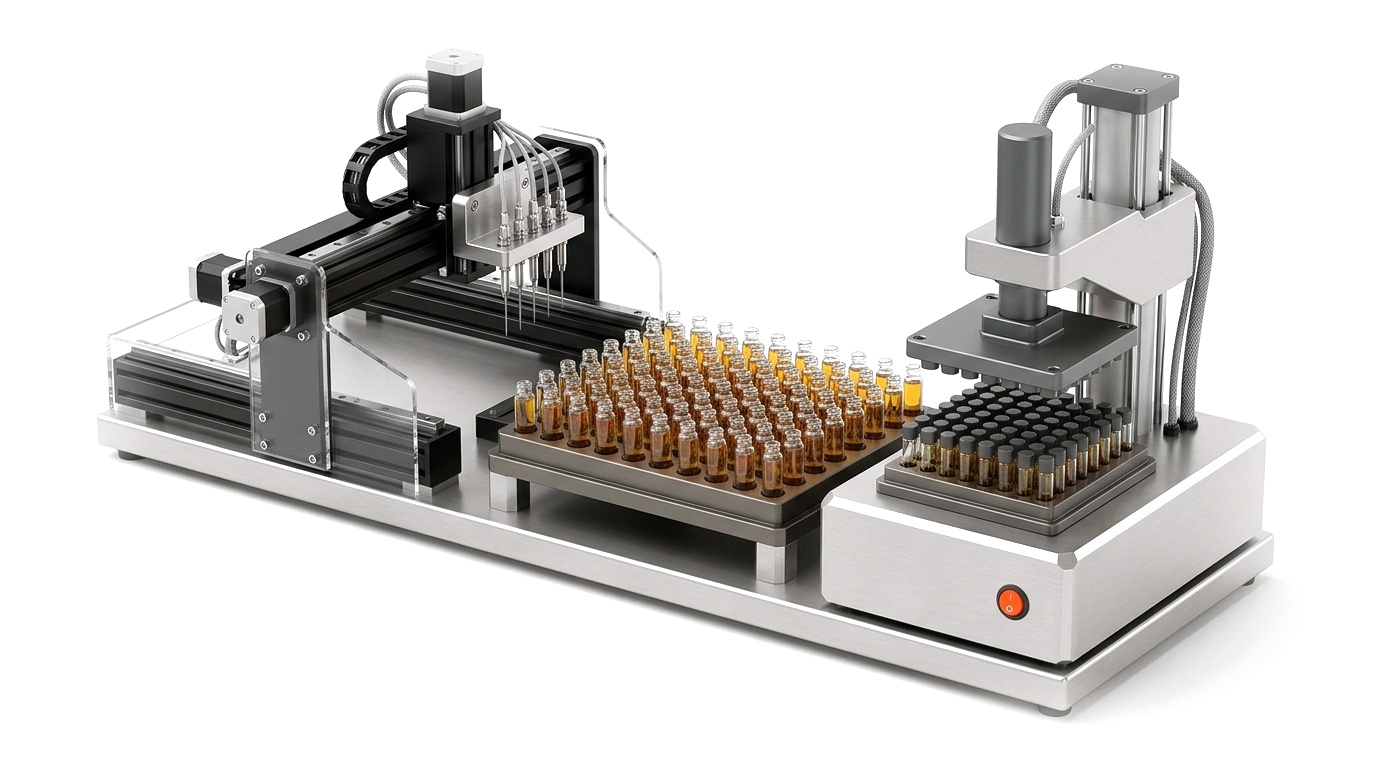
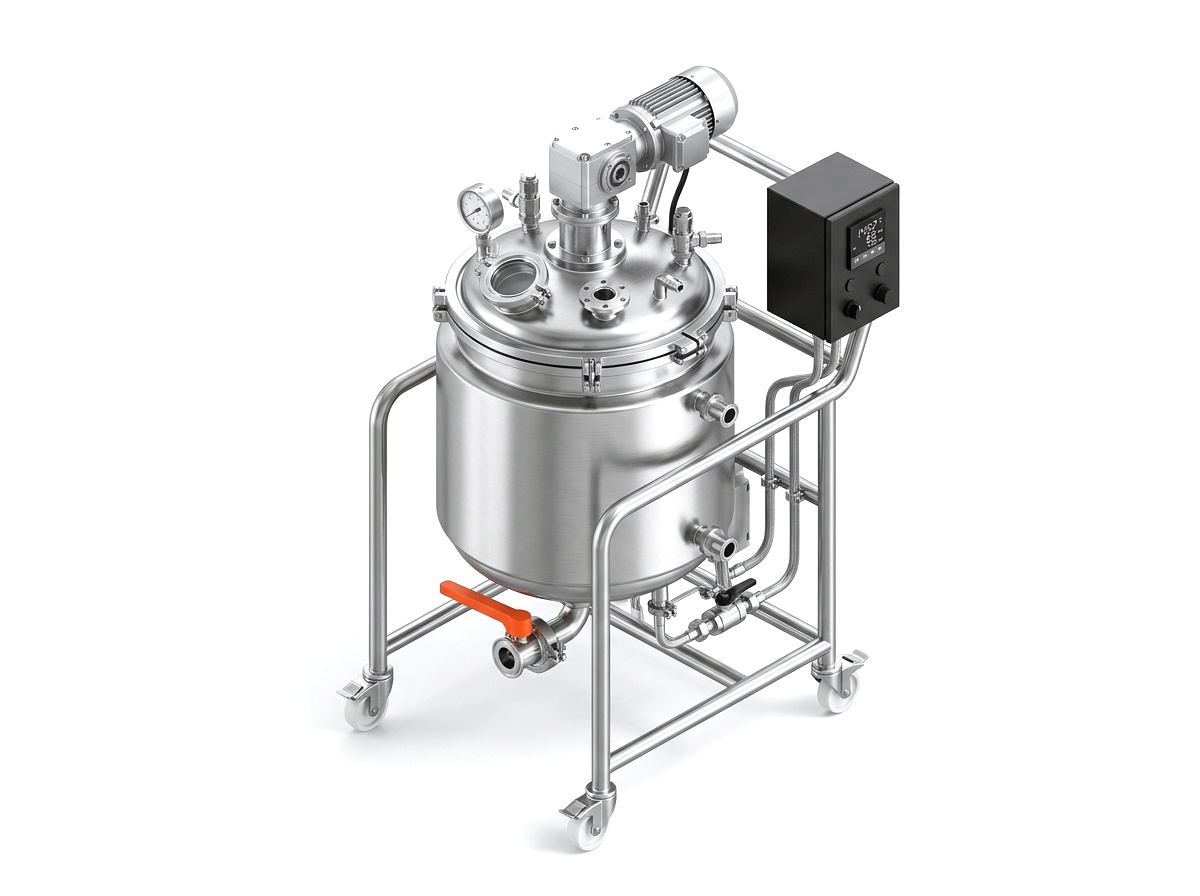
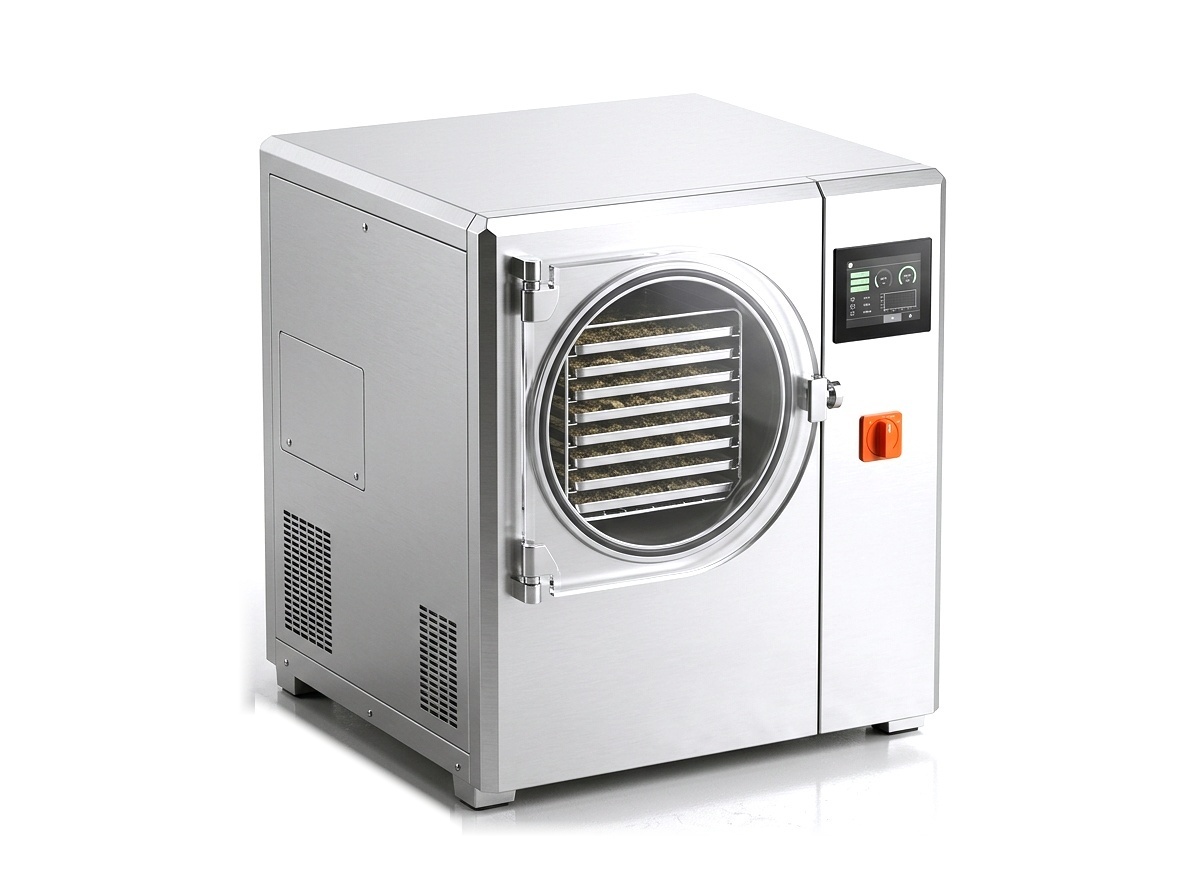
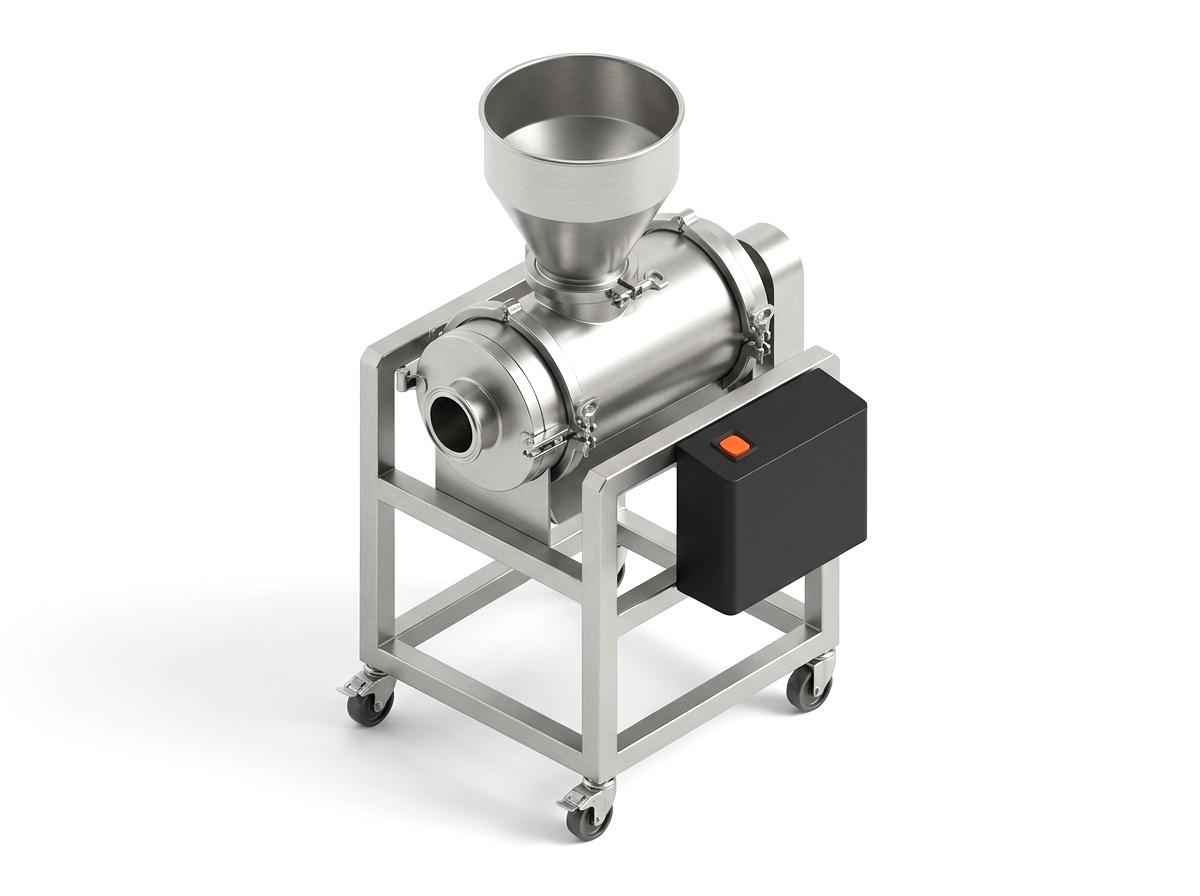
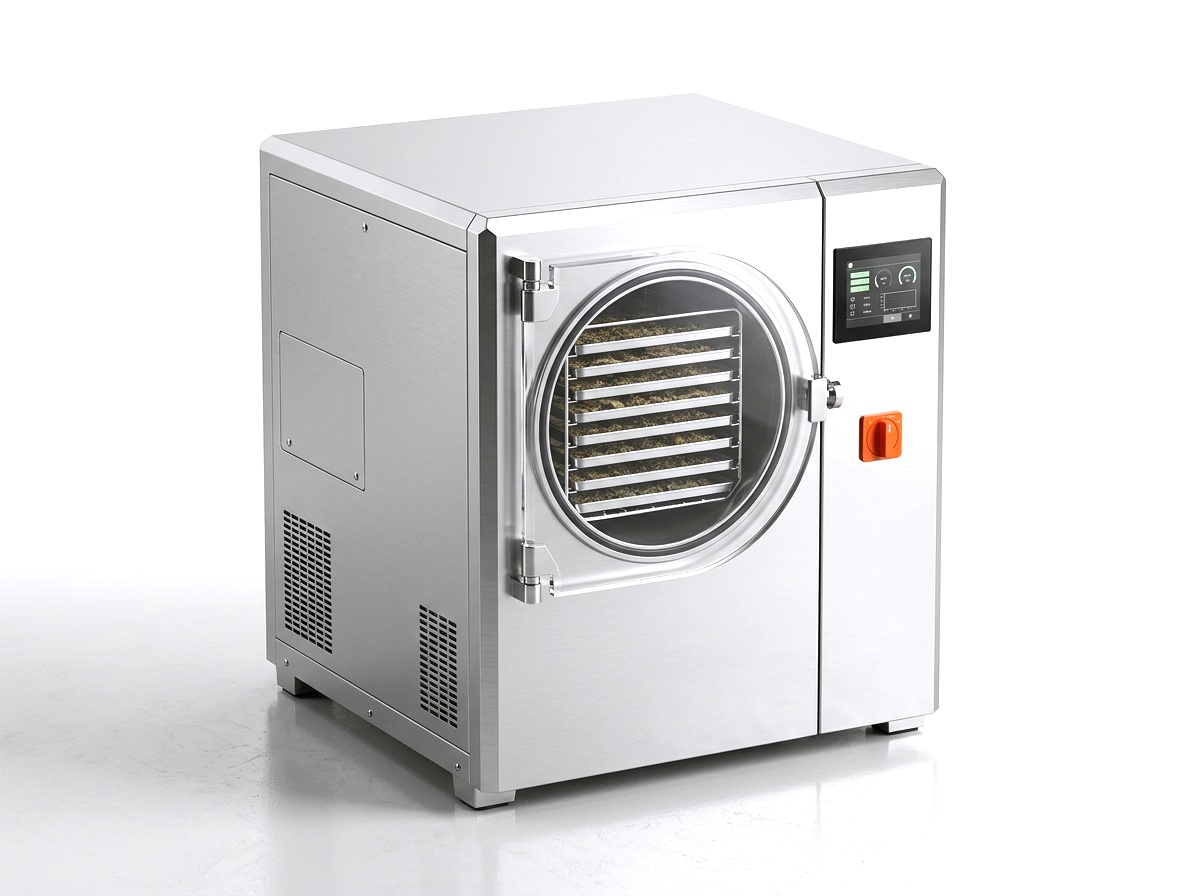
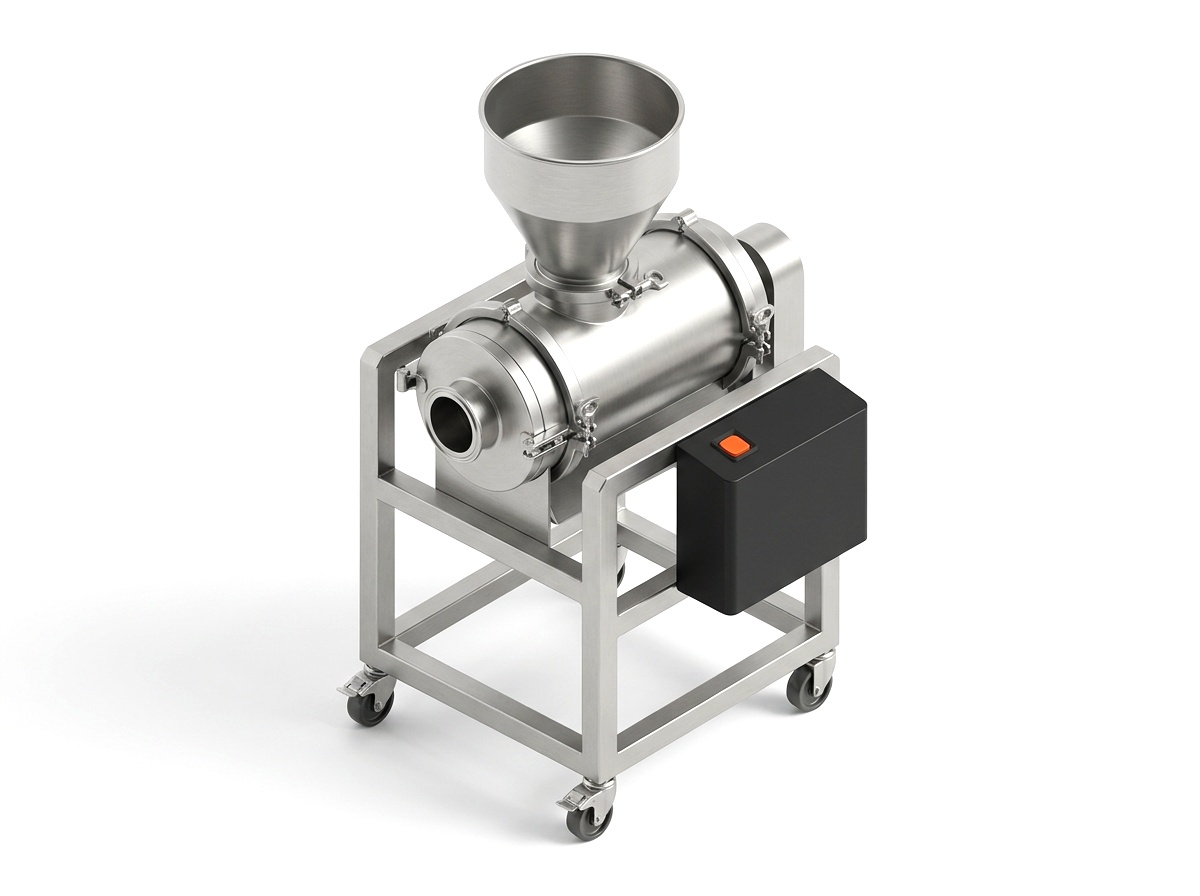
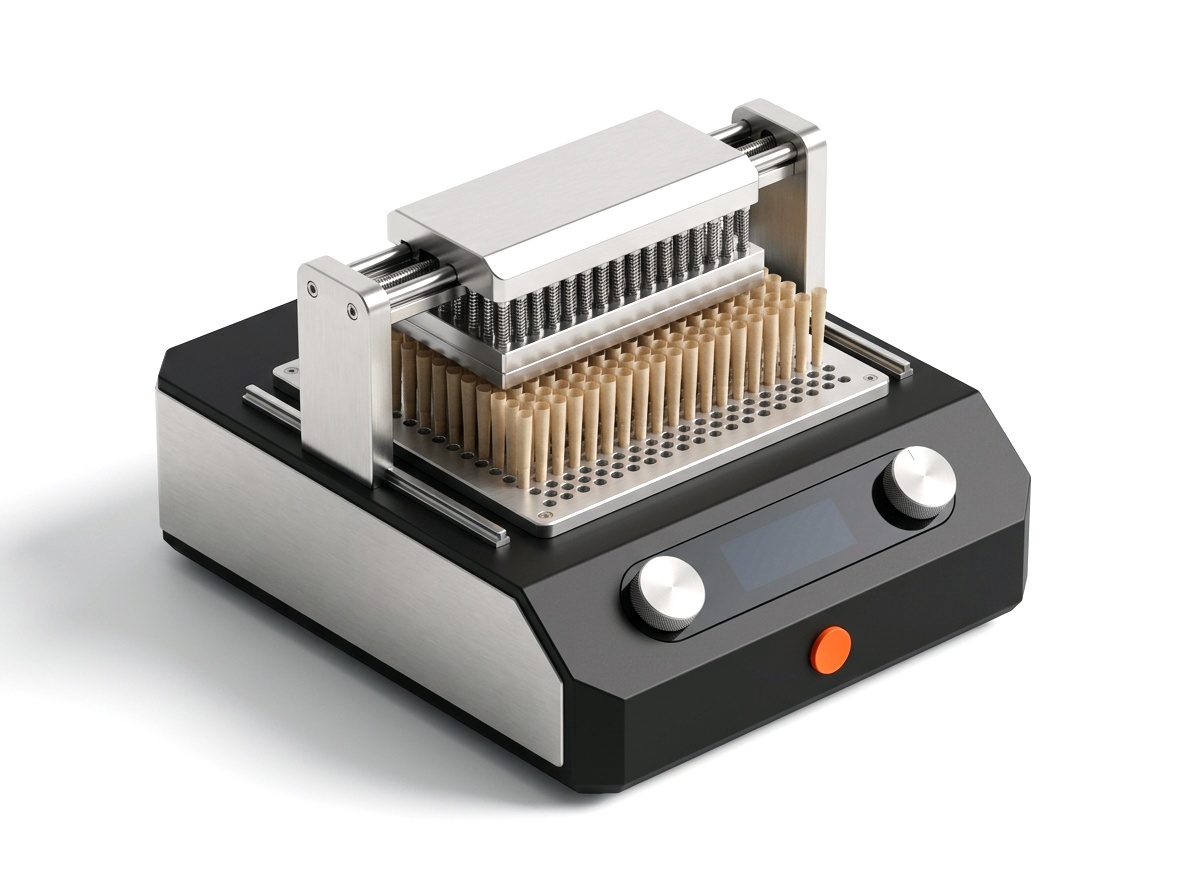
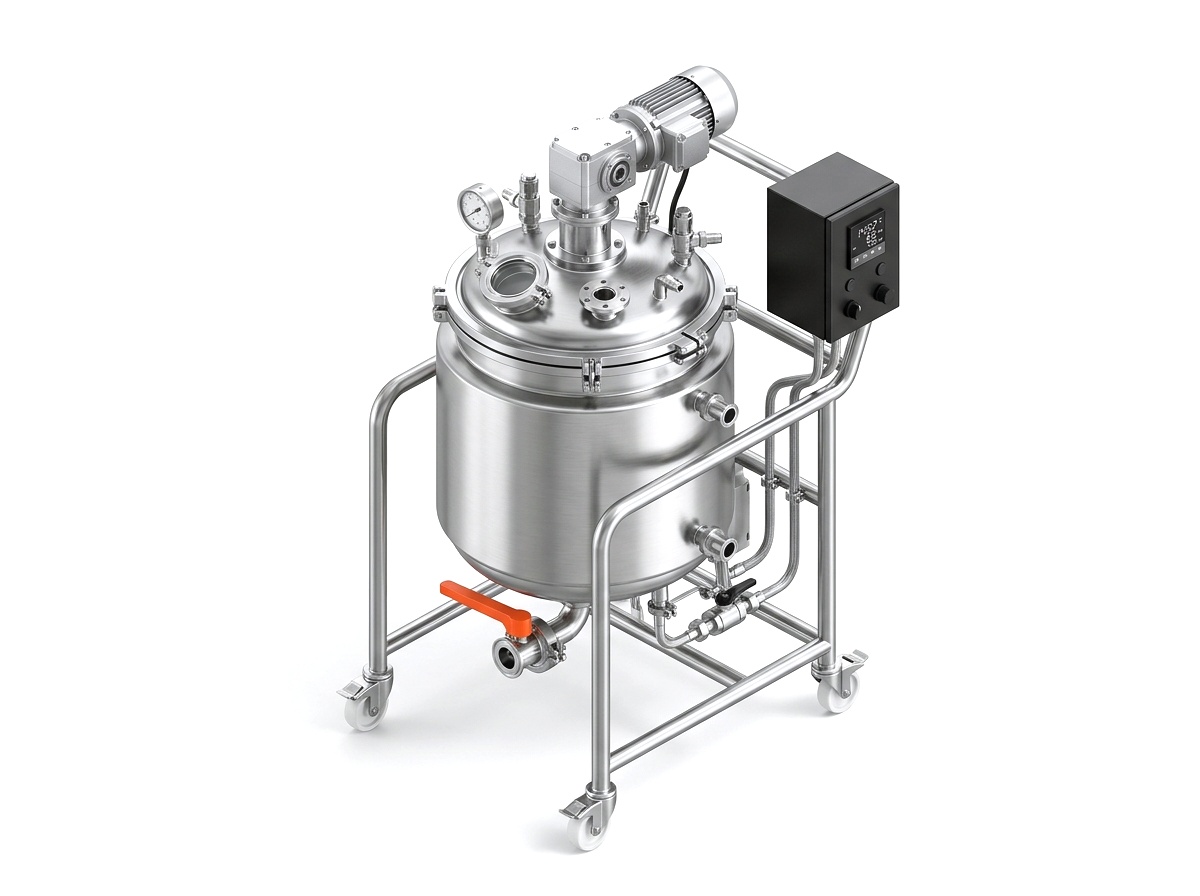
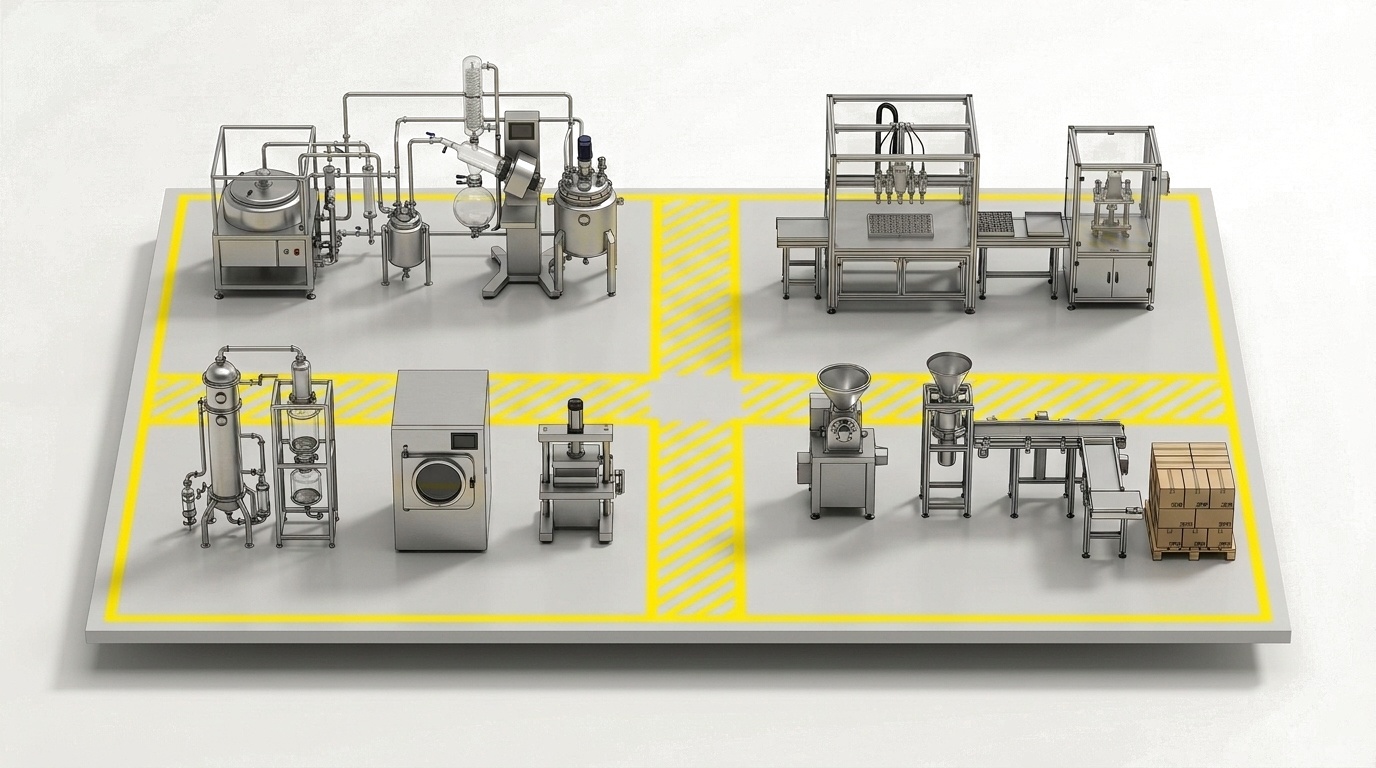
The complete 5-stage commercial engineering workflow for solventless live rosin vapes: jacketed ice-water hash washing (BE-EX-06), lyophilization (BE-LB-02), 20-ton PID pressing (BE-EX-03), low-temp Jar-Tech THCA melting (BE-LB-05), and heated CNC pod filling (BE-VF-28).

Read Complete Guide → CELL-04 Line →
01 // COMPLETE TOPIC PLAYBOOK & DECISION MATRIX 4 STEP-BY-STEP GUIDES

How to Wash Bubble Hash, Press Live Rosin & Cure Solventless Vape Oil Without Burning Terpenes

Solventless extraction uses zero chemical solvents: only ice water, micron sieves, freeze-drying, heat, and mechanical pressure. Yet more operators ruin high-grade fresh-frozen flower in solventless rooms than in any other department because they misunderstand three physical boundaries: vortex shear in the wash tank, sublimation pressure in the freeze dryer, and closed-vessel decarboxylation for vape cartridges.

Whether you are washing 5 kg of craft fresh-frozen flower by hand or scaling a 150-liter sanitary jacketed wash line, every solventless decision comes down to trichome head integrity. Below is the complete comparison of solventless equipment tiers, when you should stay manual, when you need a jacketed vortex washer and pharmaceutical freeze dryer, and how to turn solid THCa rosin into crystal-clear, clog-free vape oil.

Comparing All Your Options: What Exists & What Fits Your Scale
Option / Approach Realistic Daily Output Where It Shines (Pros) Where It Hurts (Limits & Trade-offs) Who Should Choose This
Plastic Brute Cans + Hand Paddle + Air-Drying on Cardboard 1 - 3 kg fresh-frozen / day Under EUR 500 startup cost; teaches you how trichomes separate by hand. Room heat melts stalks into the wash; air-drying oxidizes hash brown and traps moisture that sizzles on the press. Home R&D or tiny test batches where color and shelf stability do not matter.
Uninsulated Mini Washer + Consumer Harvest Right Dryer + 10T Hand-Pump Press 5 - 12 kg fresh-frozen / day Affordable entry into blonde hash; fits in a spare room on 110V/230V. Plastic tubs harbor biofilm; unprogrammed dryers overheat terpenes above 18 C; hand-pump gauges drift between operators. Small craft labs running 1 to 2 washes a week with a dedicated operator.
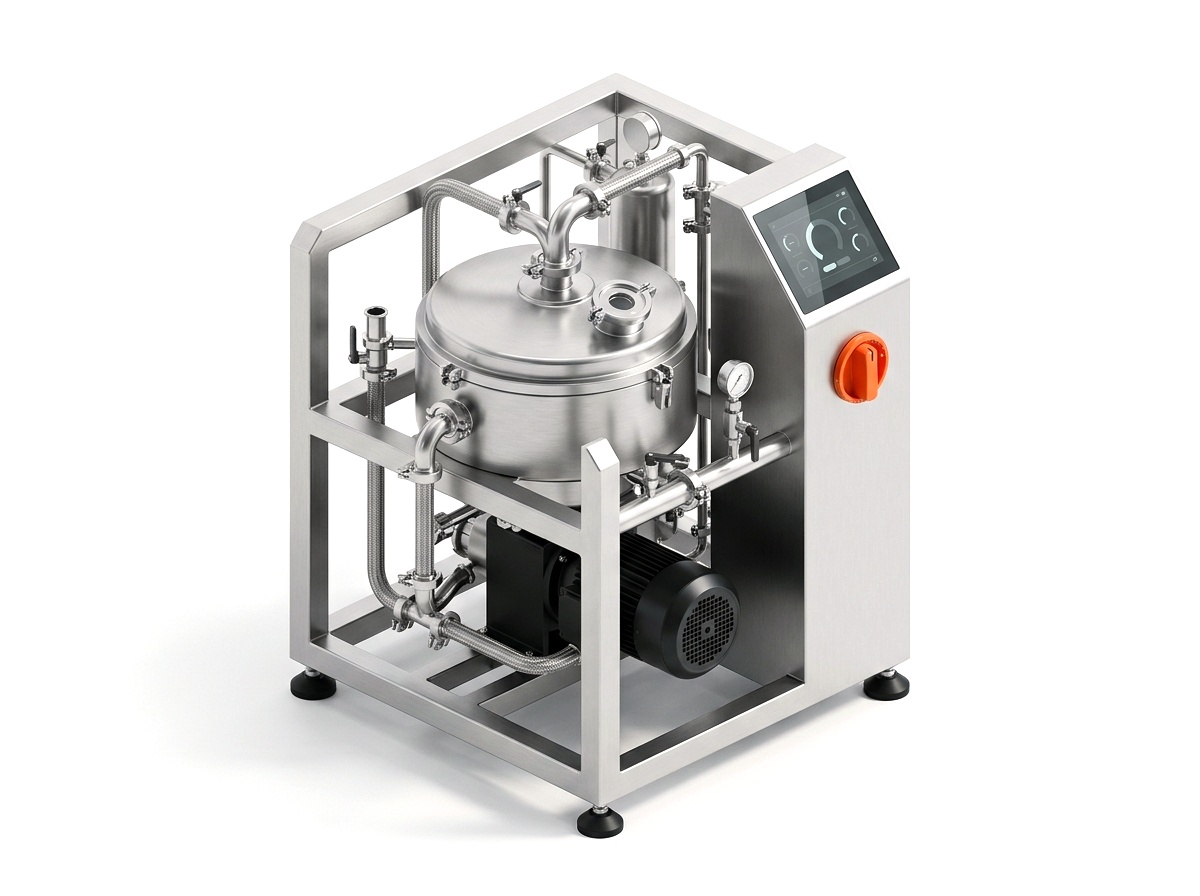
150L/300L Jacketed Stainless Vortex Washer (BE-EX-06) + 6-Sieve Stack + Pharmaceutical Lyophilizer (BE-FD-09) + 20T Dual-PID Press (BE-RP-10) 25 - 80 kg fresh-frozen / day Holds 0.5 C without filling the tank with crushed ice; 304 stainless sanitary drain; repeatable 4-6% WPFF live rosin yield. Requires 230V power, chilled water supply, and disciplined micron bag loading. Commercial solventless brands producing 6-star hash, cold-cure badder, and live rosin vape pods.
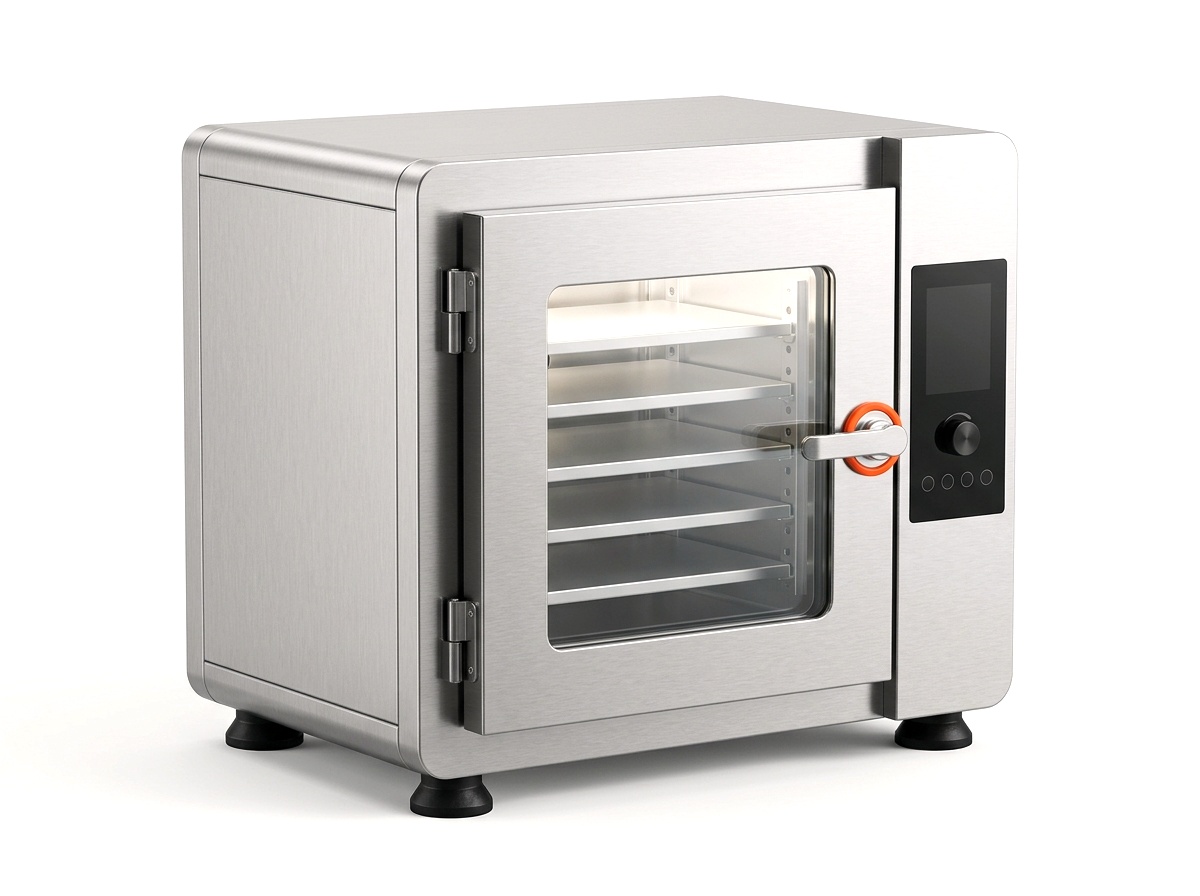
Pressurized Sealed Jar-Tech Oven Curing (BE-VO-03) + 5-Channel Heated Filler (BE-VF-28) 1,500 - 3,600 rosin pods / hr Converts solid THCa into liquid Delta-9 at 65 C without losing monoterpenes; doses postless pods at +/- 0.5% accuracy. Requires 24-36 hr sealed jar cure before filling. Any brand turning live rosin into 0.5 ml or 1.0 ml all-glass or postless vape hardware.
5 Questions to Answer Before You Spend a Dollar on Hardware
1

Are you washing fresh-frozen whole plant (WPFF, 3.5-6% yield) or cured dry trim (10-18% yield)? Never size your freeze dryer by wet flower weight; size it by wet hash weight per day.

2

Does your wash vessel use a bottom plastic impeller that shreds green leaf, or a smooth sanitary vortex with a jacketed cooling wall?

3

If you plan to sell live rosin vapes, how are you decarboxylating? Open-beaker hotplates boil off 40% of your terpenes; sealed borosilicate Jar-Tech in a +/- 0.5 C conductive oven keeps them in the oil.

4

Are you pressing through double 25u/37u nylon bags for vapes (zero plant lipids) or 90u/120u bags for dabbing badder?

5

What hardware will hold your rosin? Standard cotton-wick 510 carts burn heavy rosin; pair low-temp ceramic or postless pods with a heated syringe gantry (65-72 C).

VAPE CARTRIDGE & DISPOSABLE POD FILLING & CAPPING 8 MIN
Ultimate Guide: How to Make Live Rosin Vape Carts & Postless Pods (From Ice-Water Hash to Capped Pod)

Ultimate Guide: How to Make Live Rosin Vape Carts & Postless Pods (From Ice-Water Hash to Capped Pod)

The complete 5-stage commercial engineering workflow for solventless live rosin vapes: jacketed ice-water hash washing (BE-EX-06), lyophilization (BE-LB-02), 20-ton PID pressing (BE-EX-03), low-temp Jar-Tech THCA melting (BE-LB-05), and heated CNC pod filling (BE-VF-28).

0.5 C - 2.0 C (Jacketed Vortex Tank BE-EX-06)
02 // COMPLETE TOPIC PLAYBOOK & DECISION MATRIX 8 STEP-BY-STEP GUIDES

How to Fill & Cap 510 Cartridges, All-Glass Hardware & Postless Pods Without Leaks, Stringing or Cracked Ceramic

Every vape filling failure comes down to two numbers: oil viscosity at the needle tip and elapsed seconds before the mouthpiece seal closes. If you try to push cold distillate or heavy live rosin through an unheated tube, your pump stalls. If you wait ten minutes to cap a warm cartridge, oil floods the airway core and the device arrives clogged in the customer's pocket.

Most buyers either overspend on a complex rotary monoblock when they only run 2,000 units a week, or burn out three operators squeezing hand guns on a 15,000-unit order. Here is the complete breakdown of every vape filling and capping method on the market so you can pick the exact setup your volume demands.

Comparing All Your Options: What Exists & What Fits Your Scale
Option / Approach Realistic Daily Output Where It Shines (Pros) Where It Hurts (Limits & Trade-offs) Who Should Choose This
Manual Heated Glass Syringe / Hand-Trigger Gun 300 - 800 units / day Lowest cost; quick flavor switches for 50-unit sample runs. Severe wrist fatigue; shot weight drifts +/- 5% as the barrel cools; slow manual capping causes chimney flooding. R&D sampling or micro-batches under 1,000 units per week.
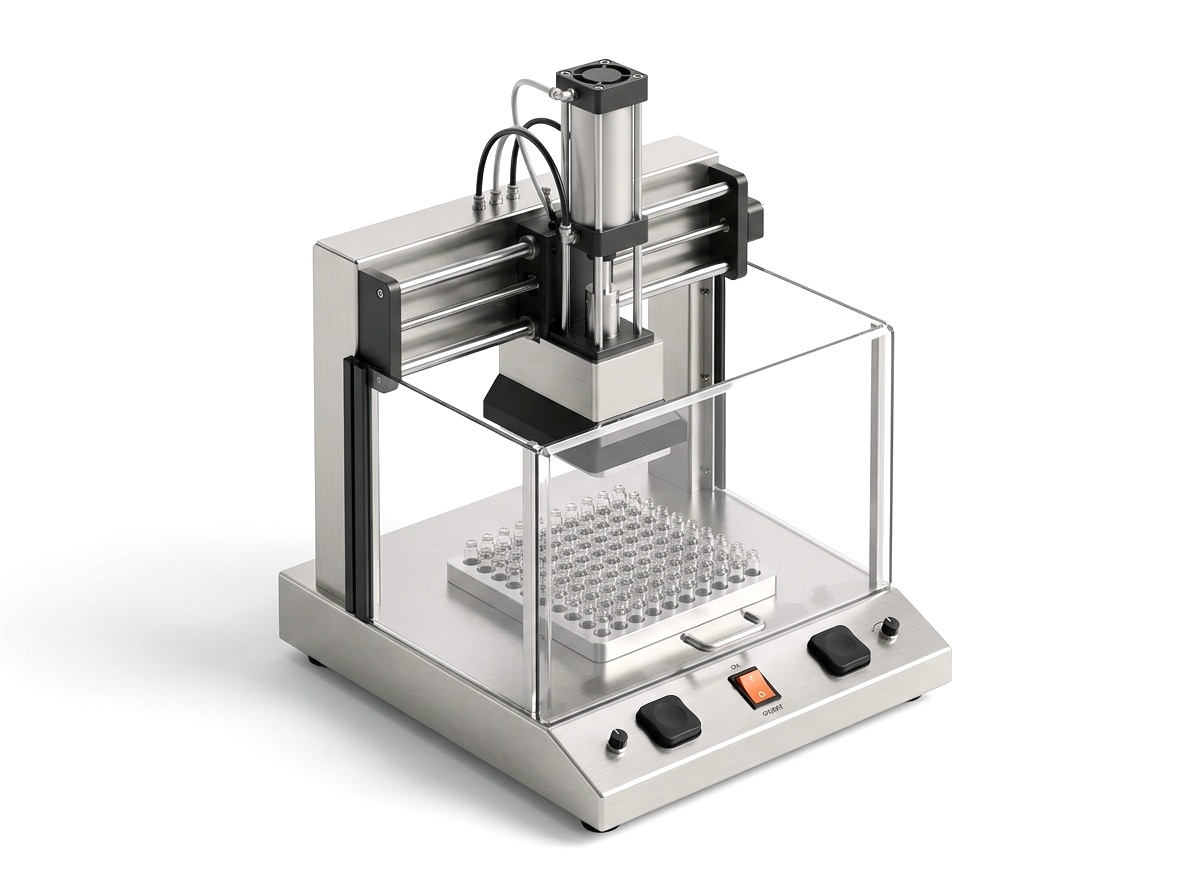
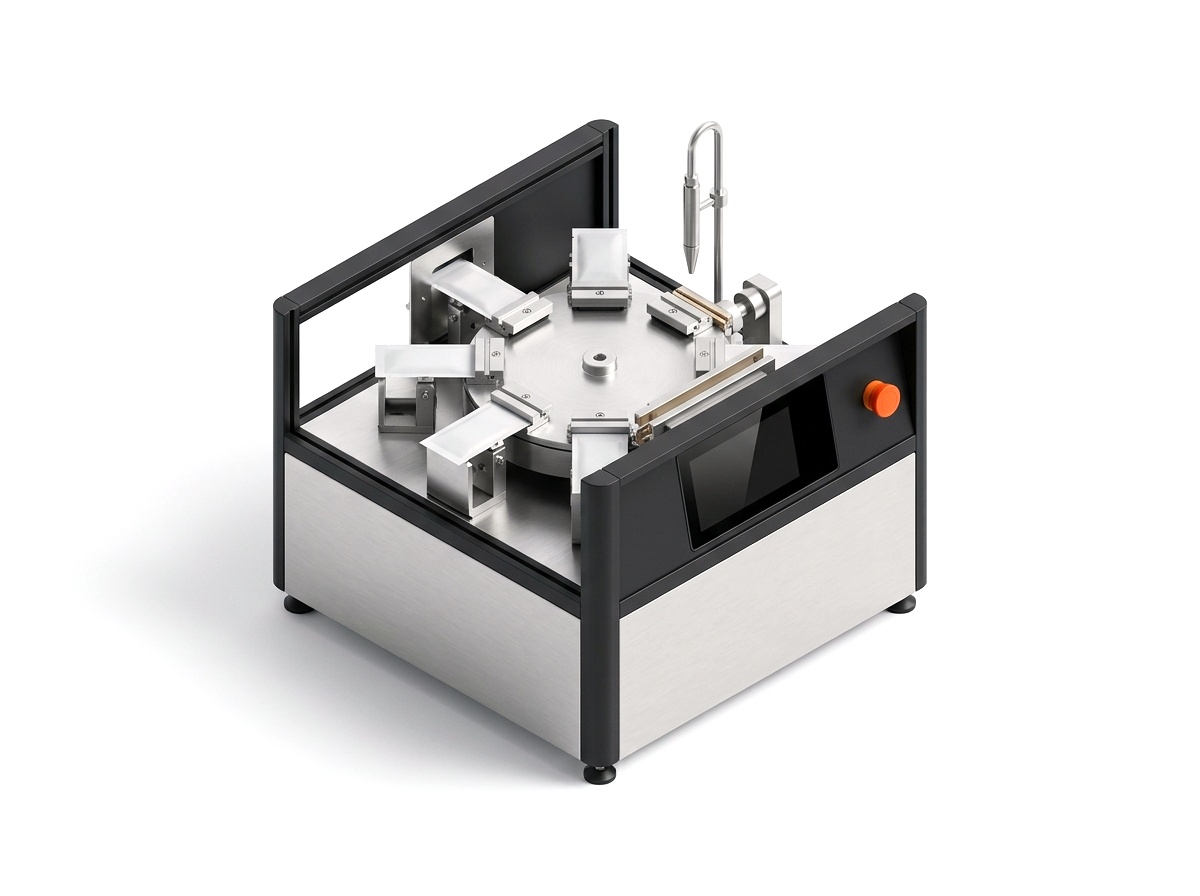
Single-Nozzle Benchtop Heated Filler (BE-VF-15 / BE-VF-27) + Manual Arbor Press 2,000 - 4,500 units / day Digital servo dosing (+/- 0.5%) with heated reservoir and needle; fast 10-minute terpene changeover. Operator still indexes one tray row by hand; capping is a separate manual lever stroke. Single-operator labs producing 5,000 to 15,000 cartridges per week across multiple strains.
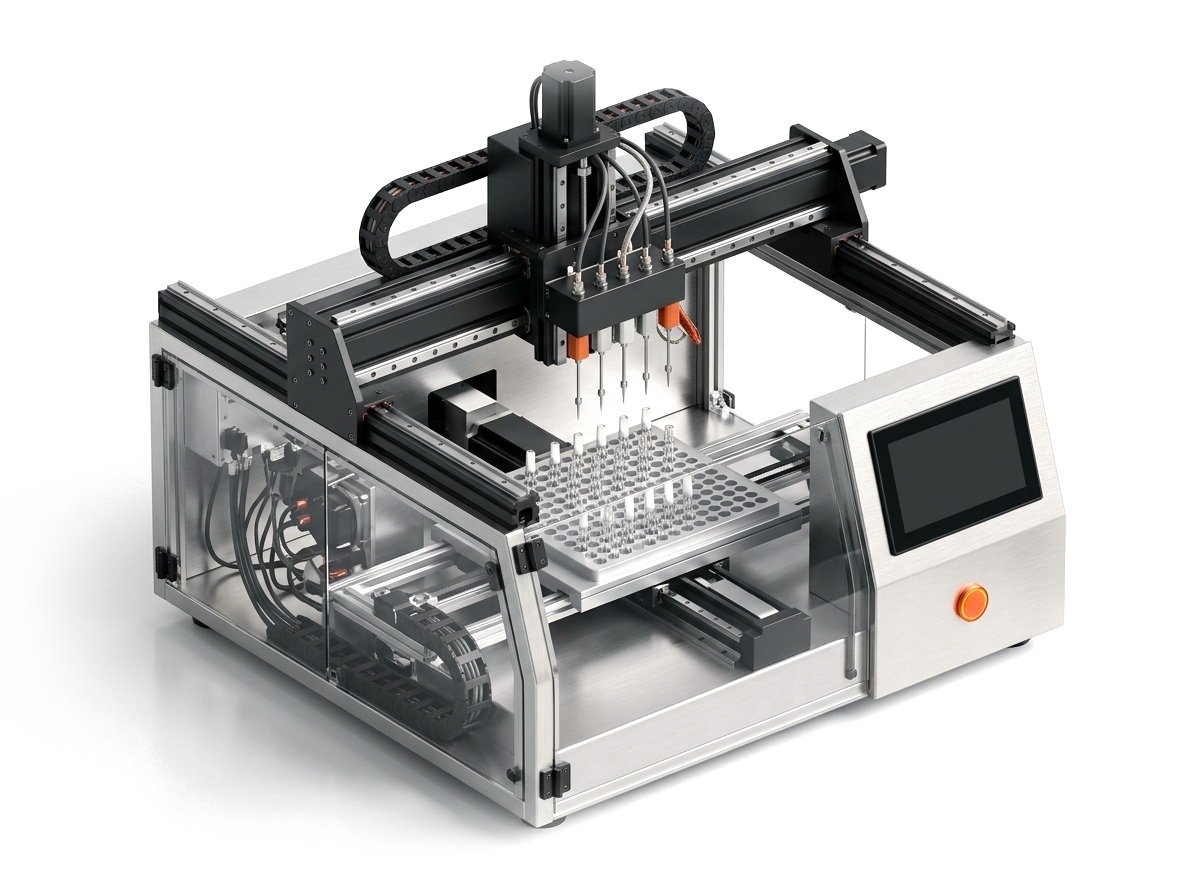
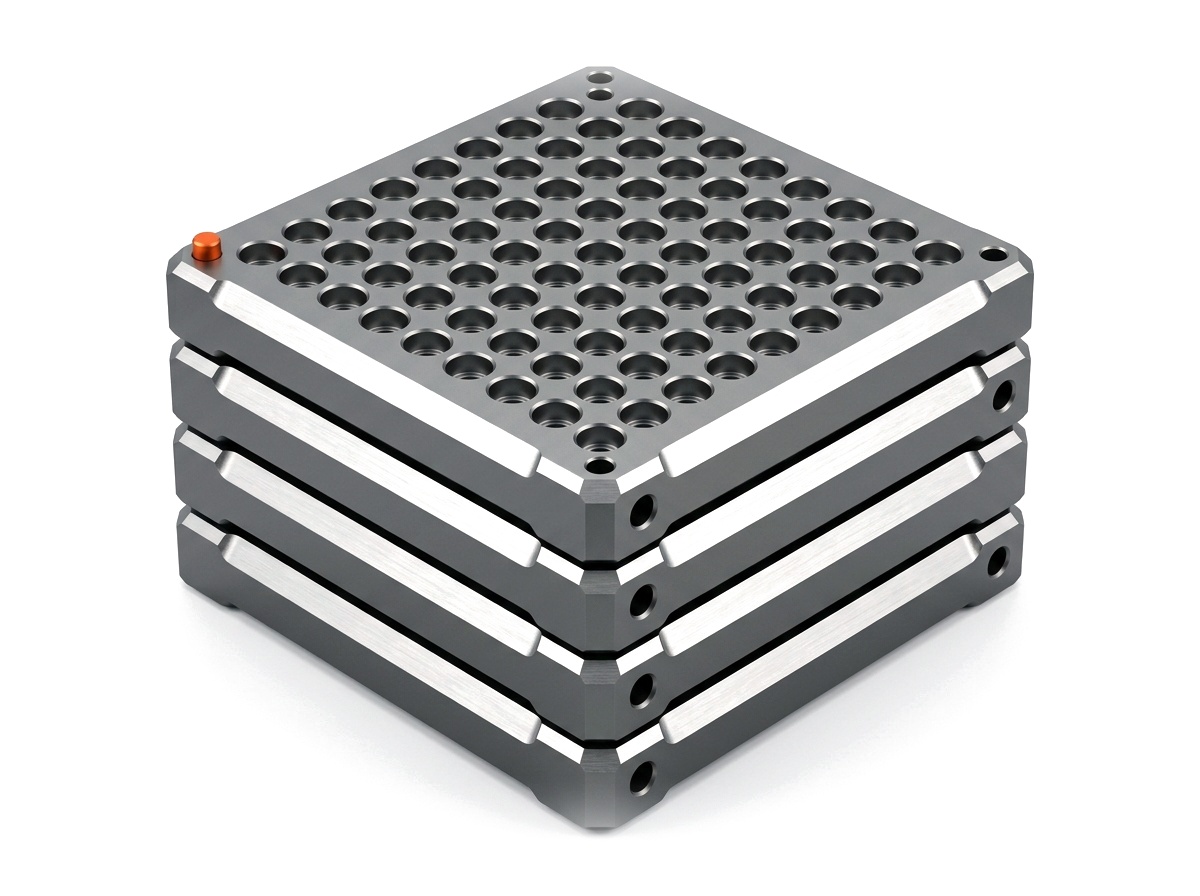
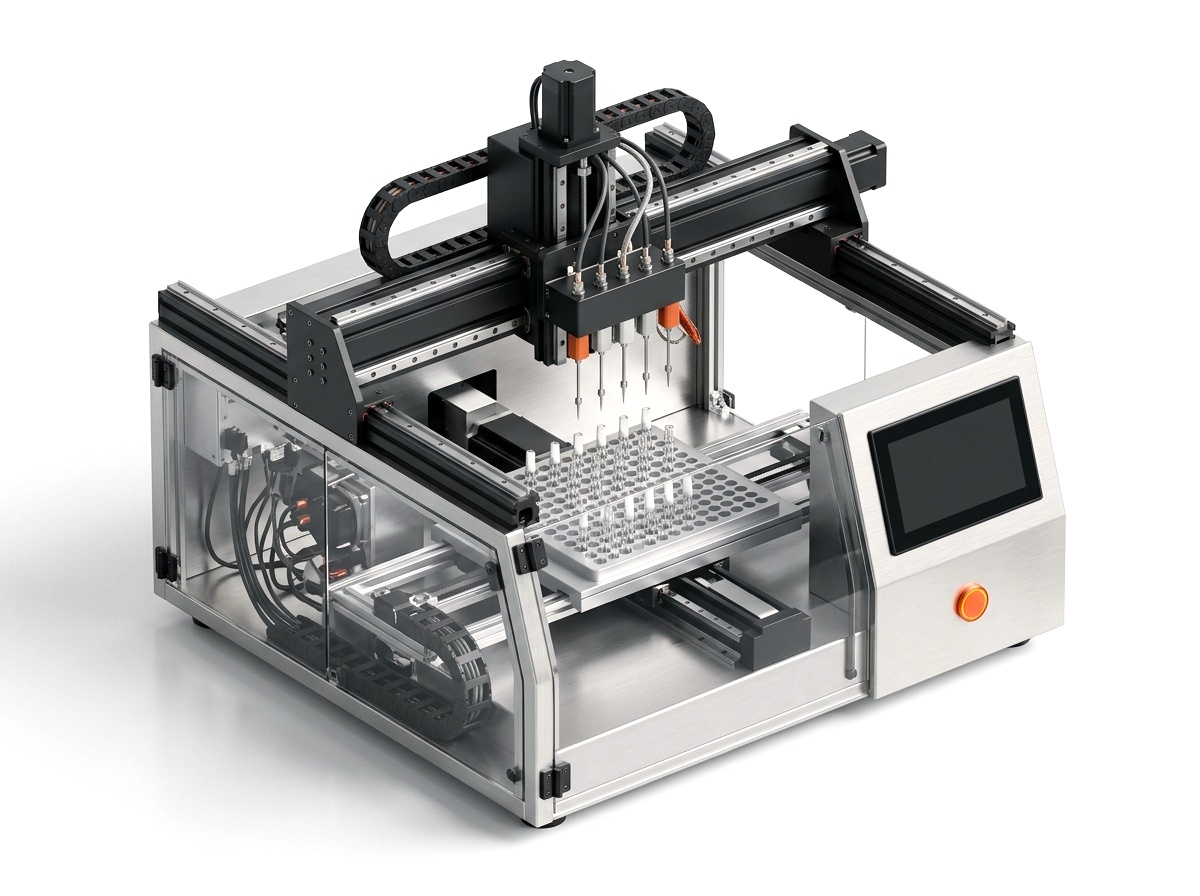
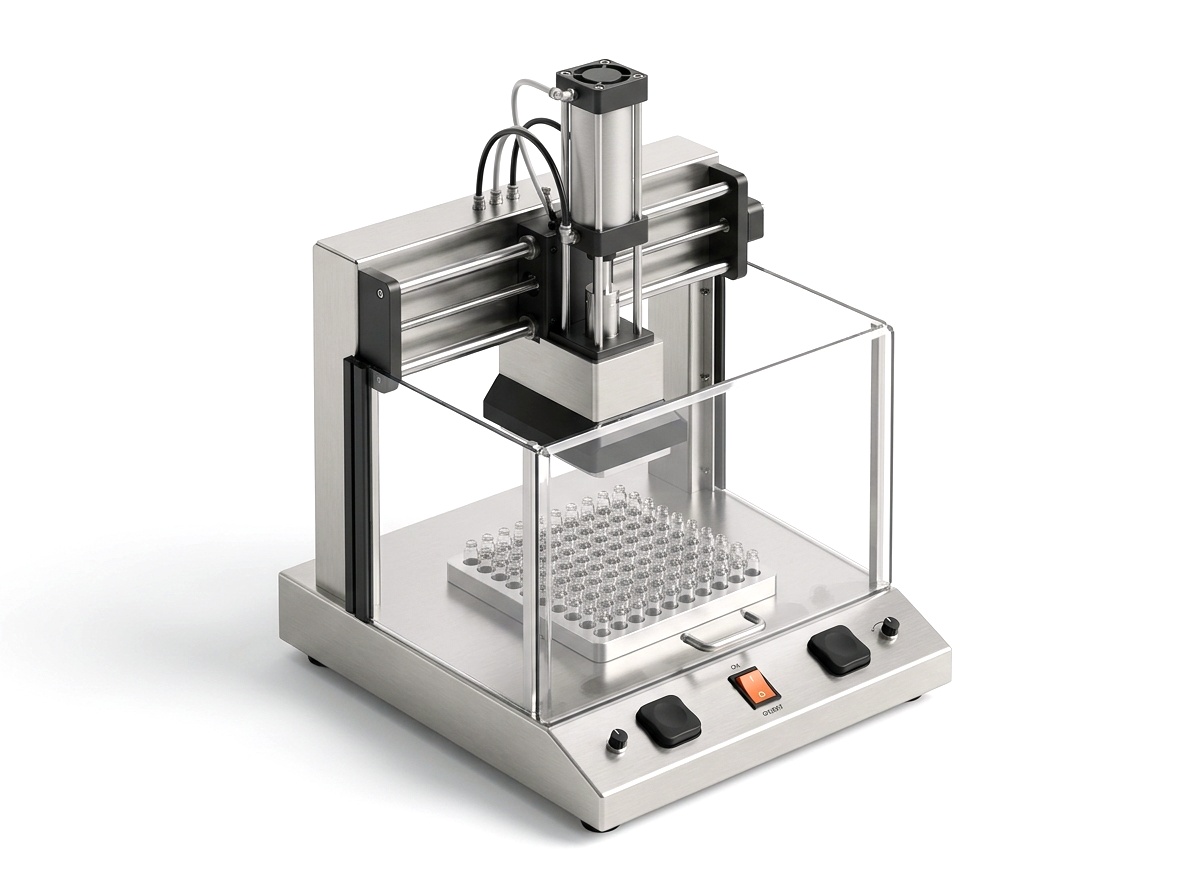
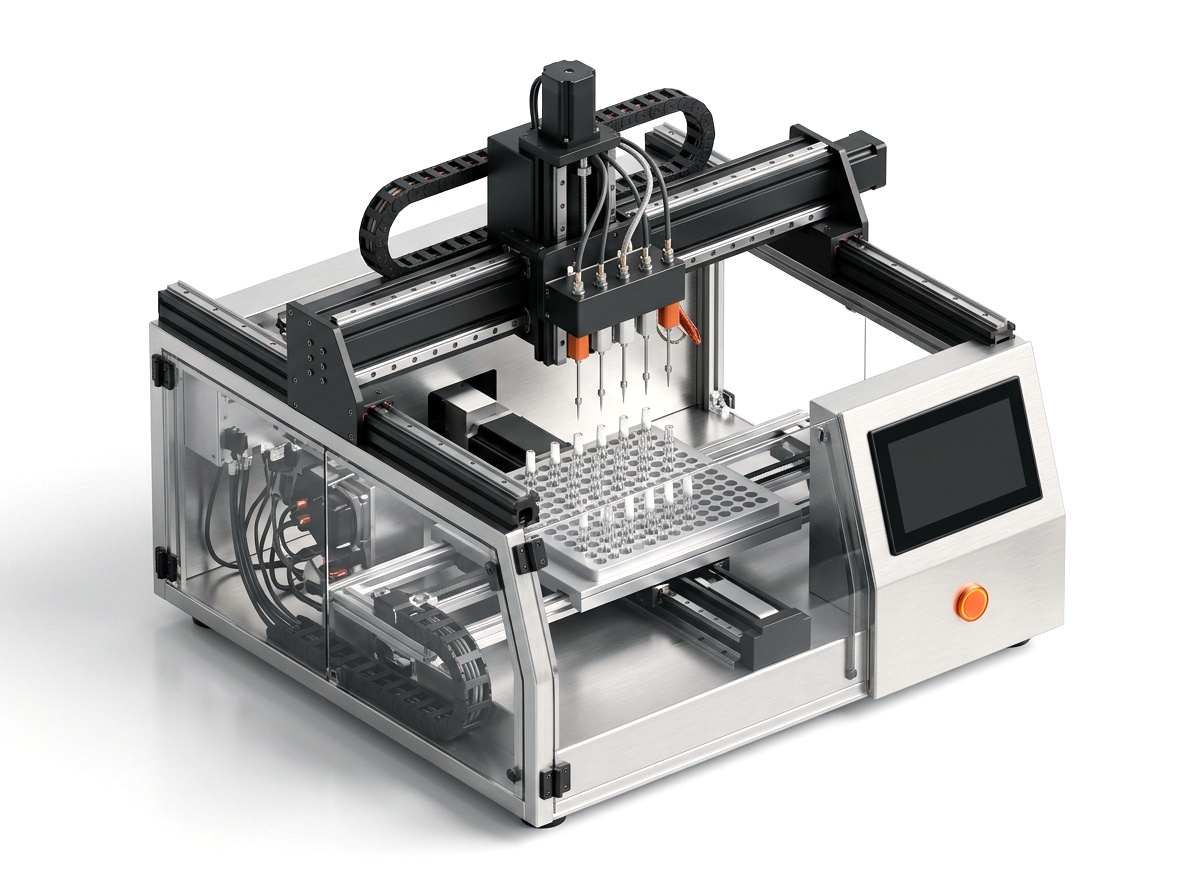
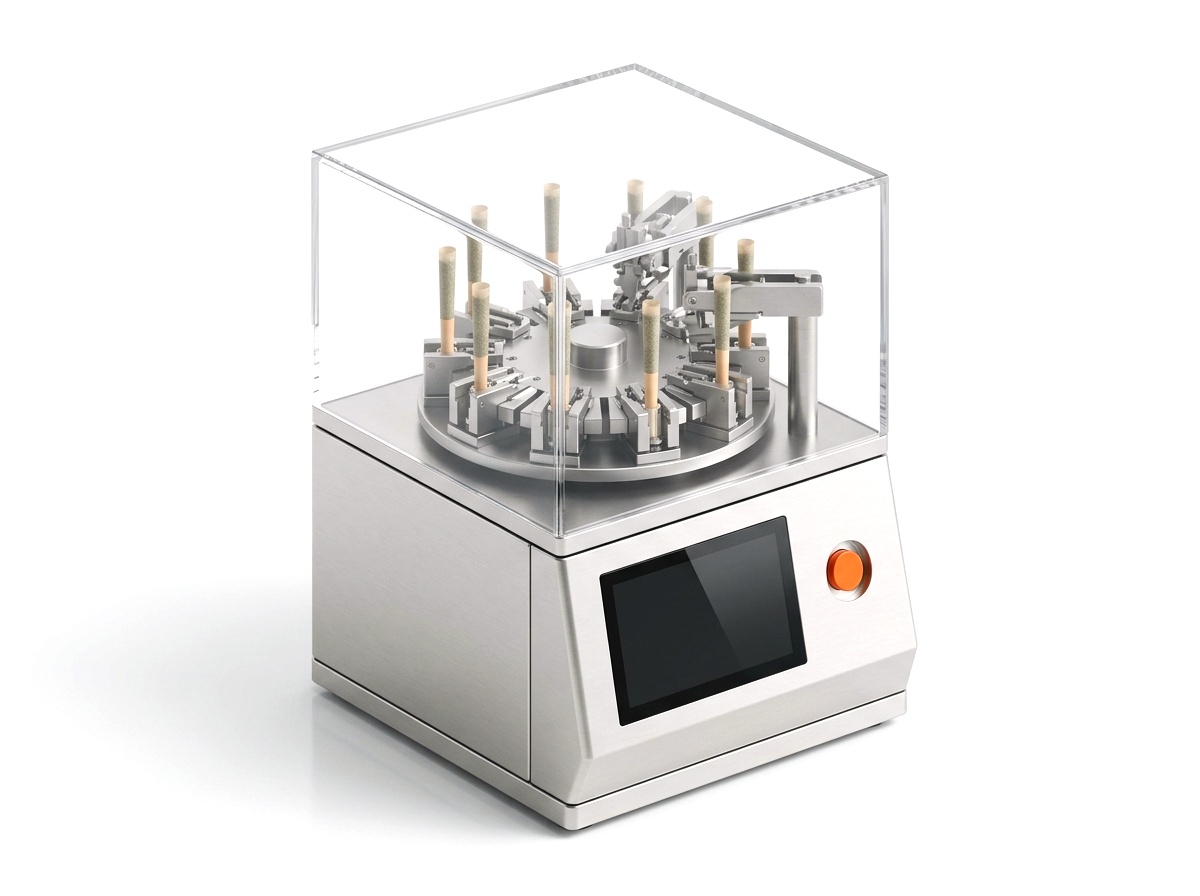
5-Channel Heated CNC Gantry (BE-VF-28) + 100-Cavity CNC Aluminum Trays + 100-Unit Platen/Torque Capper (BE-VC-29 / BE-VC-30) 15,000 - 28,000 units / day (3,600/hr) Fills 100 cartridges in 70 seconds (5 needles at once); shared CNC aluminum tray transfers directly into the 100-cavity capper within the 90-second anti-leak window. Requires custom CNC aluminum trays milled to your device CAD (+/- 0.02 mm). Commercial processors running 15,000 to 100,000+ units per week who want zero leaks and 1-operator efficiency.
Fully Automated Rotary Monoblock (Auto-Feeder + Fill + Cap + Label) 35,000+ units / day Unattended continuous feed for a single locked hardware SKU. Takes 4-6 hours to re-tool if you change pod shapes; 4x higher capital cost. High-volume co-packers running millions of identical 510 carts with zero hardware changes.
5 Questions to Answer Before You Spend a Dollar on Hardware
1

What oils are you filling? Raw distillate needs 80-95 C; live resin needs 55-65 C; solventless live rosin needs 65-72 C with zero overheat hotspots along the fluid path.

2

Are you filling center-post 510 cartridges or postless (centerless) disposable pods? Postless pods allow a wider 14G needle directly down the center; narrow 510 glass requires an off-center 15G/16G needle (+/- 0.05 mm).

3

Does your mouthpiece snap on vertically (press-fit -> pneumatic platen press BE-VC-29) or screw on with threads (threaded -> CNC servo torque capper BE-VC-30)?

4

Are you still capping on supplier shipping foam? Foam compresses unevenly under platen force and cracks 3-8% of ceramic mouthpieces; rigid 6061-T6 CNC aluminum trays eliminate breakage.

5

How many minutes pass between filling and capping on your floor right now? Keep it under 90 seconds while the oil is still warm to create the negative-pressure headspace vacuum lock.

03 // COMPLETE TOPIC PLAYBOOK & DECISION MATRIX 6 STEP-BY-STEP GUIDES

Hydrocarbon (BHO) vs. Solventless vs. Cryo-Ethanol & Wiped-Film Distillation: Which Extraction Path Fits Your Product?

Before you look at a centrifuge, rotary evaporator, or molecular still, ask one question: what finished product are you actually selling? Nobody uses ethanol to make craft dabs or live resin, because ethanol pulls water-soluble chlorophyll unless chilled to -40 C and strips light terpenes during recovery. Conversely, you cannot economically make 100 liters of crystal-clear, odourless 92% vape and gummy distillate on a rosin press.

Each extraction technology exists for a specific chemical job. Here is the candid engineering comparison of all four commercial extraction paths so you build the right room the first time.

Comparing All Your Options: What Exists & What Fits Your Scale
Option / Approach Realistic Daily Output Where It Shines (Pros) Where It Hurts (Limits & Trade-offs) Who Should Choose This
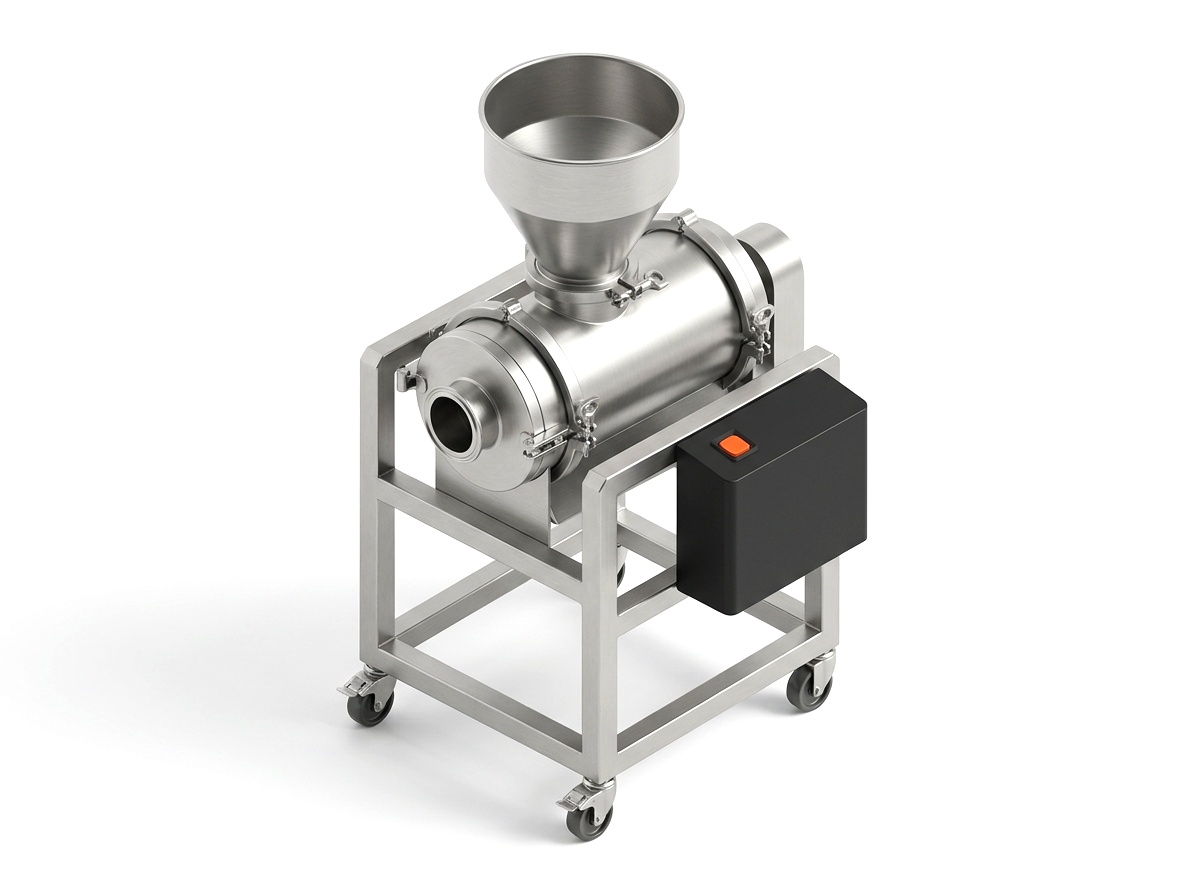
Solventless Ice-Water Hash + Rosin Press (CELL-04) 25 - 80 kg fresh-frozen / day Zero chemical solvents; no C1D1 blast room required; commands the highest wholesale price per gram for dabs and live rosin pods. Requires high-grade trichome-rich starting material; lower total weight yield than solvent methods. Craft extractors making 6-star hash, cold-cure live rosin badder, and solventless vape pods.
Closed-Loop Hydrocarbon (BHO: Butane / Propane) 50 - 200 kg biomass / day Non-polar solvent selectively dissolves trichomes while leaving chlorophyll behind; gold standard for Live Resin, Sauce, and Liquid Diamonds. Requires Class 1 Division 1 / ATEX explosion-proof room, gas detection, and vacuum purge ovens (BE-VO-03). Concentrate brands focused on live resin dabs, THCa diamonds, and high-terpene HTE vape carts.
Supercritical CO2 Extraction 30 - 150 kg dry biomass / day Non-flammable solvent; tunable pressure/temperature fractionation for pharma/nutraceutical compliance. High capex; co-extracts heavy paraffins requiring winterization filtration (BE-LB-02) anyway; slower cycle times. GMP pharmaceutical or botanical labs where flammable solvents are prohibited by municipal code.
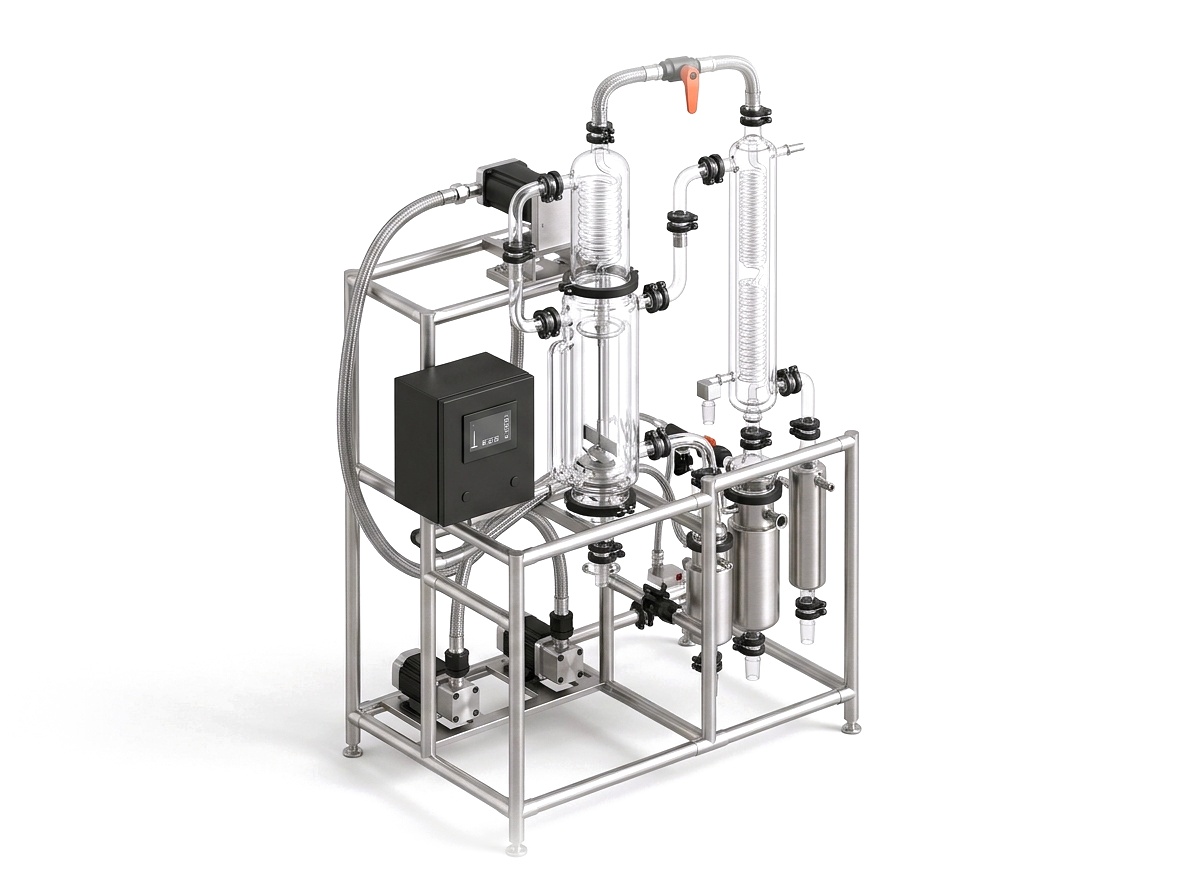
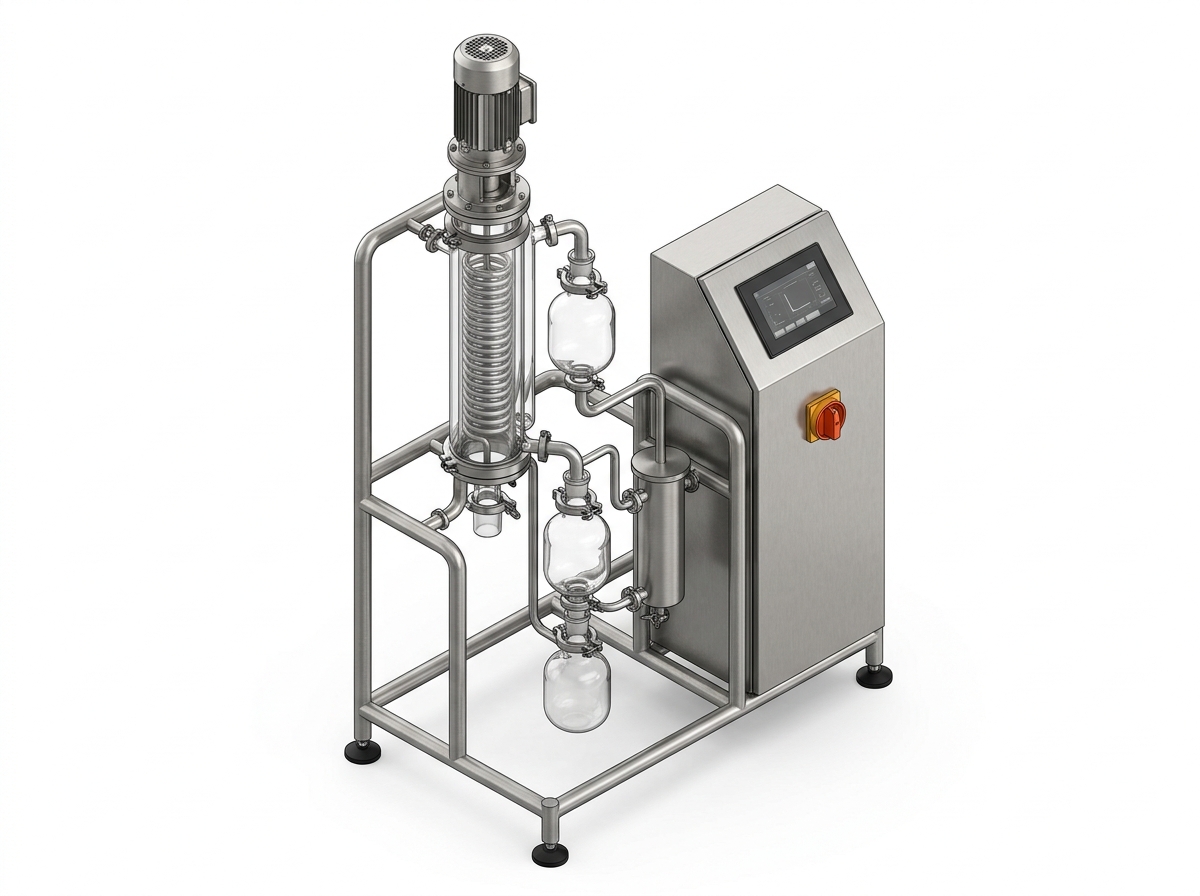
Cryo-Ethanol (-40 C) Centrifuge + Falling-Film Recovery + Wiped-Film Short-Path Distillation (CELL-03) 100 - 500+ kg biomass / day (2-5 L/hr distillate) Unmatched bulk throughput; -40 C wash leaves waxes behind; Wiped-Film Molecular Still (BE-LB-13) refines crude into odourless 90%+ Golden Distillate. Not for dabs; requires chiller capacity (-40 C) and decarb reactor (BE-LB-04) before distillation. High-volume processors producing bulk distillate for 510 vape carts, gummies, tinctures, and nano-beverages.
5 Questions to Answer Before You Spend a Dollar on Hardware
1

Start with your end SKU: if 80% of your revenue is high-volume distillate vapes and gummies, build a Cryo-Ethanol + Wiped-Film Distillation line (CELL-03). If your brand is built on craft dabs and live rosin pods, build Solventless (CELL-04) or BHO.

2

If you run ethanol, can your chiller actually hold -40 C under load? Warm ethanol (+20 C) pulls dark green chlorophyll and sugars that foul distillation wipers.

3

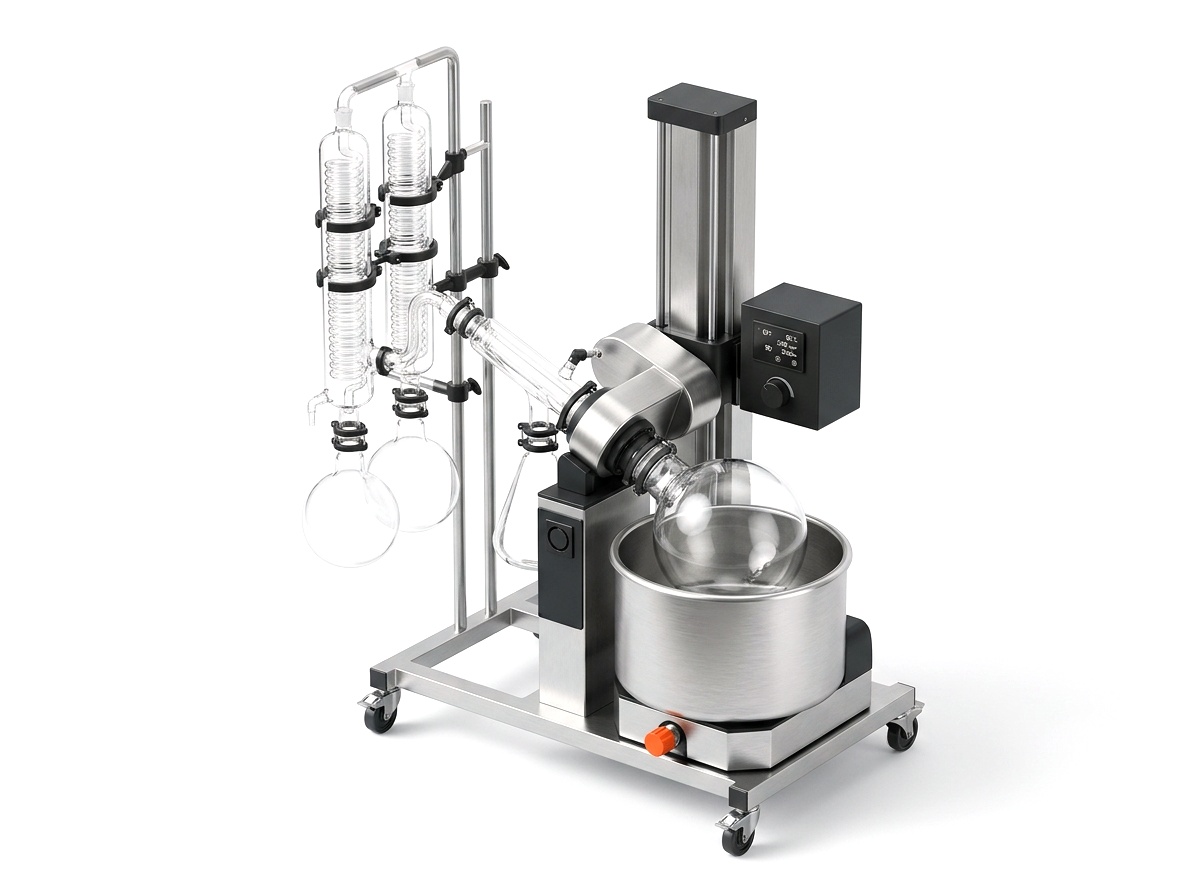
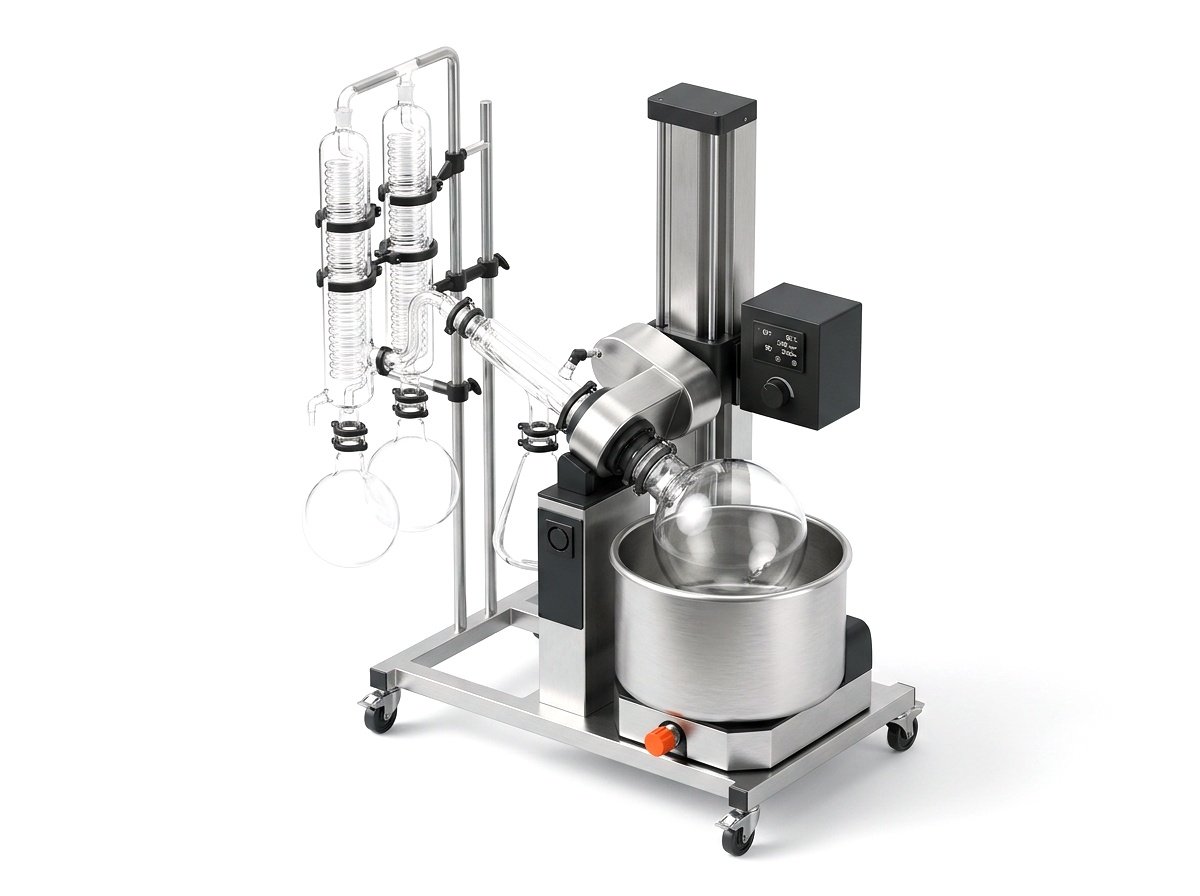
How are you recovering solvent? A 50L rotary evaporator (BE-LB-01) handles 15-20 L/hr; above 100 L of tincture per shift, pair it with a continuous Falling-Film Evaporator (BE-EX-02, 50-100 L/hr).

4

Why Wiped-Film Short-Path (BE-LB-13) over a boiling-pot bulb still? In a boiling pot, crude oil cooks for 6 hours at 180 C and degrades into CBN; on a wiped-film wall, oil residence time is under 3 seconds at 0.1 Pa vacuum.

5

Have you matched your vacuum purge oven (BE-VO-03) and decarb reactor (BE-LB-04) capacity so crude never queues up before the still?

EXTRACTION, WINTERIZATION & WIPED-FILM DISTILLATION 8 MIN
Commercial Extraction Methods Compared: Hydrocarbon vs. Solventless vs. Cryo-Ethanol & Wiped-Film Molecular Distillation

Commercial Extraction Methods Compared: Hydrocarbon vs. Solventless vs. Cryo-Ethanol & Wiped-Film Molecular Distillation

An honest engineering breakdown of what commercial processors actually use for Live Rosin (Solventless CELL-04), Live Resin (Hydrocarbon), and High-Volume Vape Distillate (Cryo-Ethanol + Wiped-Film Short-Path Distillation BE-LB-13).

Live Rosin & Six-Star Hash (Zero Solvent)
04 // COMPLETE TOPIC PLAYBOOK & DECISION MATRIX 4 STEP-BY-STEP GUIDES

How to Process Harvested Plants: Boutique Flower vs. Extraction Biomass vs. Industrial Hemp Stalk Fiber

People searching for 'hemp and cannabis processing equipment' are often talking about three completely different industries: (1) Boutique Smokeable Flower (where every bruised trichome head lowers wholesale bag price), (2) Extraction Biomass Prep (where uniform moisture and leaf-to-stem separation feed ethanol or CO2 extractors), and (3) Field-Rett Stalk Decortication (heavy agricultural hammermills separating bast fiber and hurd for textiles and hempcrete).

Running boutique indoor flower through a high-RPM dry chopper ruins its value in ten seconds, while hand-bucking 500 kg of extraction hemp bankrupts your labor budget. Here is how to match your post-harvest line to the exact crop you grow.

Comparing All Your Options: What Exists & What Fits Your Scale
Option / Approach Realistic Daily Output Where It Shines (Pros) Where It Hurts (Limits & Trade-offs) Who Should Choose This
Hand Scissors + Hang-Drying Room with Split AC 5 - 15 kg dry flower / day Maximum visual preservation for ultra-small craft batches. Takes 12-15 trimmers per harvest; room humidity swings after day 3 cause mold inside dense colas or over-dry brittle buds. Micro-cultivators harvesting under 30 kg per cycle with cheap local labor.
Neoprene Stem Bucker (BE-HV-02) + VFD Wet/Dry Tumbler Trimmer (BE-HV-01) + 4-Deck Grader (BE-HV-04) 100 - 350 kg flower / day Replaces 18 hand trimmers; variable drum speed protects trichome heads; sorts A-buds, mids, and extraction trim automatically. Requires consistent 10-12% moisture target for dry trimming. Commercial flower and pre-roll facilities processing 100 to 1,000 kg per harvest.
Closed-Loop Heat-Pump Botanical Dryer (BE-HV-03) + Low-RPM Screen Mill (BE-HV-05) 200 - 600 kg wet input / batch Condenses moisture at 20-32 C in a sealed loop so monoterpenes are never vented out a roof exhaust; delivers uniform 11% moisture for extraction. Higher initial cost than hanging racks in a warehouse. GMP medicinal flower producers and high-terpene extraction facilities.
Agricultural Decorticator + Bale Breaker + Hurd Air Classifier (Field Fiber Line) 2,000 - 10,000 kg retted stalks / day Crushes woody core (shive/hurd) and combs long bast fibers for non-woven mats, textiles, and biocomposites. Zero overlap with floral/cannabinoid machinery; requires dry retted stalks (<14% moisture) in a dust-extracted barn. Industrial fiber and hurd processors (we supply the floral/biomass side and advise you clearly so you never mix floral and bast-fiber lines).
5 Questions to Answer Before You Spend a Dollar on Hardware
1

First decision: are you harvesting floral material for cannabinoids/smokeable flower, or woody stalks for bast fiber and hurd? Never run resinous floral tops through an agricultural fiber decorticator.

2

Wet trimming vs. Dry trimming: do you live in a humid climate where dense wet flower risks botrytis (wet trim before heat-pump drying), or do you want slow whole-branch hang/tray drying followed by gentle dry tumbling (11% moisture)?

3

Why does drying room HVAC fail during the first 36 hours? Because 70% of plant water transpire in the first day; a closed-loop heat-pump dryer (BE-HV-03) matches condensation rate to water activity (0.60 aW) without cooking the room.

4

If you are prepping biomass for extraction or pre-rolls, how are you milling? High-speed blade shredders heat resin into sticky balls and create bitter green dust; use a low-RPM perforated screen grinder (BE-HV-05, 3-5 mm).

5

Are you grading flower size before packaging? Separating >25 mm tops from 10-18 mm smalls on a 4-deck sorter (BE-HV-04) immediately increases top-bag wholesale value.

05 // COMPLETE TOPIC PLAYBOOK & DECISION MATRIX 4 STEP-BY-STEP GUIDES

How to Build a Pre-Roll & Flower Packaging Line That Burns Evenly and Stays Fresh for 12 Months

Two mistakes ruin 80% of commercial pre-rolls before the customer ever lights them: grinding flower with high-speed spinning blades (which smears sticky resin across the screen and creates fine powder that chokes airflow) and relying on gravity-only vibration tables (which leave air pockets at the filter crutch so the joint canoes down one side).

Whether you are producing 2,000 craft pre-rolls a week or 15,000 nitrogen-flushed jars and tubes a day, here is how every pre-roll and flower packaging option compares.

Comparing All Your Options: What Exists & What Fits Your Scale
Option / Approach Realistic Daily Output Where It Shines (Pros) Where It Hurts (Limits & Trade-offs) Who Should Choose This
Kitchen Blade Grinder + Plastic 100-Cone Vibratory Box + Hand Twisting 500 - 1,500 cones / day Under EUR 1,000; easy to start in a small vault room. Blade heat destroys terpenes; uneven particle size causes +/- 18% weight variance and severe canoeing; hand-twisting takes 4 operators. Small dispensary test batches under 2,000 cones per week.
Low-RPM Cold Mill (BE-HV-05) + 300-Cone Vibratory Filler (BE-PR-17) + Tube Labeler (BE-PK-33) 3,000 - 6,000 cones / day Gentle 3 mm screen cut gives an even draw; fills 300 cones per cycle for a fraction of rotary cost. Operators still load paper cones and fold tips manually. Growing pre-roll brands producing 10,000 to 25,000 cones per week across 84mm, 98mm, and 109mm sizes.
Low-RPM Cold Mill (BE-HV-05) + Automated Rotary Pre-Roll Machine (BE-PR-16) + Jar/Pouch Nitrogen Line (CELL-02) 10,000 - 14,000 cones / day (1,800/hr) Load-cell dosing (+/- 0.02 g), multi-stage progressive tamping pins, and automatic Dutch-crown folding with 1 operator. Higher capital investment; dedicated magazine tooling per cone diameter. Commercial pre-roll and flower co-packers running 40,000+ units per week.
14-Head Dimpled Weigher (BE-PK-31) + Rotary Premade Pouch / Nitrogen Jar Sealer (BE-PK-32 / BE-PK-34) 1,800 - 3,000 jars or pouches / hr Teflon-dimpled hoppers prevent sticky buds from bridging; N2 flush drops headspace oxygen below 1.5% for 12-month shelf life. Requires 3-phase power and dry compressed air + nitrogen supply. High-volume flower brands eliminating manual scale giveaway.
5 Questions to Answer Before You Spend a Dollar on Hardware
1

Check your particle size distribution first: pre-rolls need a fluffy 2.5 to 3.5 mm screen cut from a low-RPM mill (BE-HV-05) at 10.5-11.5% moisture (0.58-0.62 aW). Fine dust blocks draw; stems puncture thin rolling paper.

2

Why do vibratory cones canoe? Because vibration settles fine dust to the crutch while fluffy flower bridges at the top. Progressive vertical tamping pins (BE-PR-16) pack a uniform 0.32 g/cm3 density column.

3

Dutch-crown fold vs. Twisted tip: twisting compresses the top 5 mm into a hard knot that falls off when lit; a Dutch-crown fold ignites evenly across the full ring.

4

How much flower are you giving away on hand scales? Overfilling every 3.5 g jar by 0.15 g costs 4.3% of your entire harvest; a 14-head combination weigher (BE-PK-31) holds +/- 0.03 g.

5

Are you flushing jars and mylar pouches with food-grade Nitrogen (N2)? Dropping headspace oxygen from 21% to <1.5% stops terpene oxidation and keeps flower green for 12 months.

06 // COMPLETE TOPIC PLAYBOOK & DECISION MATRIX 6 STEP-BY-STEP GUIDES

How to Dose Pectin Gummies, Tinctures, RSO Syringes & Water-Soluble Beverages Without Potency Drift or Oxidation

In formulated products — pectin gummies, sublingual tinctures, oral RSO syringes, and infused beverages — the hidden enemy is phase separation. Cannabinoid oils are hydrophobic: if you stir distillate into gummy syrup or beverage water with a slow paddle, oil droplets coalesce and float to the top of the hopper, so the first mould tray tests at 6 mg and the last tray tests at 18 mg.

Choosing the right dosing and homogenization equipment comes down to droplet size (microns vs. nanometers), fluid viscosity, and thermal control. Here is how all the production options compare.

Comparing All Your Options: What Exists & What Fits Your Scale
Option / Approach Realistic Daily Output Where It Shines (Pros) Where It Hurts (Limits & Trade-offs) Who Should Choose This
Kitchen Stockpot + Silicone Pouring Funnel + Plastic Scraper over Silicone Moulds 1,000 - 3,000 gummies / day Almost zero equipment cost for early recipe testing. Pectin sets in the funnel at 78 C creating 15% scrap skins; weight and potency vary +/- 18% from corner to corner. Early kitchen R&D before licensed commercial production.
High-Shear Rotor-Stator Homogenizer (BE-LB-06) + 10-Nozzle Heated Servo Gummy Depositor (BE-ED-18) + Sugar Coater (BE-ED-20) 20,000 - 35,000 gummies / day (4,000/hr) Jacketed 95 C hopper + 10 servo pistons dose rapid-set pectin at +/- 1.5% weight accuracy with zero tailing strings. Requires silicone or polycarbonate moulds indexed on the conveyor. Licensed gummy manufacturers requiring strict per-piece mg compliance.
20kHz Ti-6Al-4V Ultrasonic Cavitation Nano-Emulsifier (BE-BV-23) + Spray Dryer (BE-BV-24) 10 - 30 L/hr nano-emulsion (<60 nm) Implodes oil droplets below 60 nm for optically clear, non-ringing beverages with 10-minute fast onset; optional conversion to water-soluble powder. Requires food-grade surfactant system (Q-Naturale / quillaja / lecithin) and chiller loop. Beverage brands and water-soluble powder formulators.
Peristaltic Dropper Filler (BE-PK-35) vs. Heated Piston Syringe/Jar Filler (BE-VF-27) + Overhead Terpene Mixer (BE-LB-05) 1,200 - 2,400 bottles or jars / hr Peristaltic tubing handles thin MCT tinctures with 2-minute hose swap; heated stainless pistons handle thick RSO syringes and badder jars. Never use peristaltic silicone tubing for thick >10,000 cP oils. Tincture, RSO syringe, and concentrate jar packaging lines.
5 Questions to Answer Before You Spend a Dollar on Hardware
1

Pectin vs. Gelatin gummies: vegan pectin cross-links irreversibly the moment it drops below 78 C; your depositor hopper and nozzle manifold MUST be actively heated to 85-95 C (BE-ED-18).

2

Why do infused drinks develop an oily 'neck ring' inside cans and bottles? Because standard rotor-stator mixers only reach 1,000-3,000 nm; only 20kHz ultrasonic cavitation (BE-BV-23) gets below 80 nm where Brownian motion keeps droplets suspended forever.

3

When should you choose a peristaltic pump vs. a heated piston pump? Below 500 cP (MCT oil tinctures, e-liquids), peristaltic tubing (BE-PK-35) is fastest to clean. Above 2,000 cP (RSO, distillate, honey), you need positive-displacement heated stainless pistons (BE-VF-27 / BE-VF-28).

4

How are you blending botanical or cannabis-derived terpenes into distillate? Magnetic hotplate stirrers burn the bottom layer at 140 C while leaving the top unmixed; use a low-RPM overhead PTFE paddle mixer (BE-LB-05) at 60 C under nitrogen.

5

Before wiring any balance payment on machinery, insist on an unedited 4K Factory Acceptance Test (FAT) video showing your exact tray CAD, voltage, and cycle rate running live.

CART (0) $0
510 Glass Cart · 230V/110V 1Ph